 English
 Español
  Português
  русский
  Français
  日本語
日本語  Deutsch
  tiếng Việt
  Italiano
  Nederlands
  ภาษาไทย
  Polski
  한국어
한국어  Svenska
  magyar
  Malay
Malay  বাংলা ভাষার
  Dansk
Dansk  Suomi
Suomi  हिन्दी
  Pilipino
  Türkçe
  Gaeilge
  العربية
  Indonesia
  Norsk
Norsk  تمل
تمل  český
český  ελληνικά
  український
  Javanese
  فارسی
فارسی  தமிழ்
தமிழ்  తెలుగు
  नेपाली
  Burmese
  български
  ລາວ
ລາວ  Latine
  Қазақша
  Euskal
  Azərbaycan
  Slovenský jazyk
  Македонски
  Lietuvos
  Eesti Keel
  Română
  Slovenski
  मराठी
मराठी  Srpski језик


What is the difference between MV and HV cables?
MV (medium voltage) and HV (high voltage) cables are types of electrical cables used for different applications.
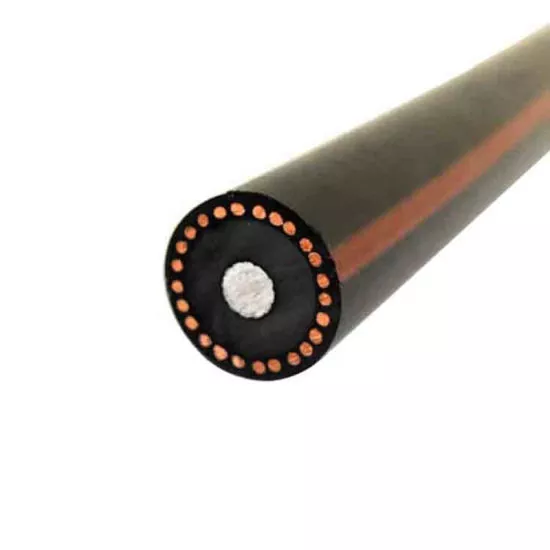
MV cables typically range from 1kV to 72.5kV and are used for power distribution in urban and rural areas, underground, overhead, and even underwater. They are usually insulated with cross-linked polyethylene (XLPE) or ethylene propylene rubber (EPR) and can handle high levels of electrical current.
On the other hand, HV cables are designed for high voltage applications ranging from 72.5kV to 550kV. These cables are used to transmit power over long distances, typically across power grids. Due to the very high voltage under which they operate, HV cables are typically insulated with oil-filled paper and are often housed inside protective metal pipes or conduits to prevent electrical interference.
In summary, the primary difference between MV and HV cables is their operating voltage range. MV cables are designed for lower voltage applications typically used for power distribution in urban and rural areas, while HV cables are designed for high voltage transmission over long distances. The insulation materials and protective measures employed in production and installation of the cables also differ between the two types.
Previous:IP rating, how much do you know?
Send Inquiry


X
We use cookies to offer you a better browsing experience, analyze site traffic and personalize content. By using this site, you agree to our use of cookies.
Privacy Policy