 English
 Español
  Português
  русский
  Français
  日本語
日本語  Deutsch
  tiếng Việt
  Italiano
  Nederlands
  ภาษาไทย
  Polski
  한국어
한국어  Svenska
  magyar
  Malay
Malay  বাংলা ভাষার
  Dansk
Dansk  Suomi
Suomi  हिन्दी
  Pilipino
  Türkçe
  Gaeilge
  العربية
  Indonesia
  Norsk
Norsk  تمل
تمل  český
český  ελληνικά
  український
  Javanese
  فارسی
فارسی  தமிழ்
தமிழ்  తెలుగు
  नेपाली
  Burmese
  български
  ລາວ
ລາວ  Latine
  Қазақша
  Euskal
  Azərbaycan
  Slovenský jazyk
  Македонски
  Lietuvos
  Eesti Keel
  Română
  Slovenski
  मराठी
मराठी  Srpski језик


How Does Twisted Flexible Electric Wire Improve Performance, Safety, and Future Power Applications?
Twisted flexible electric wire is widely used across residential, commercial, and industrial electrical systems due to its high flexibility, enhanced durability, and stable electrical conductivity. By twisting multiple insulated copper strands together, the wire gains superior bending resistance, vibration tolerance, and reduced electromagnetic interference, making it suitable for power transmission, control circuits, lighting systems, household appliances, robotics, automotive wiring, and precision equipment.
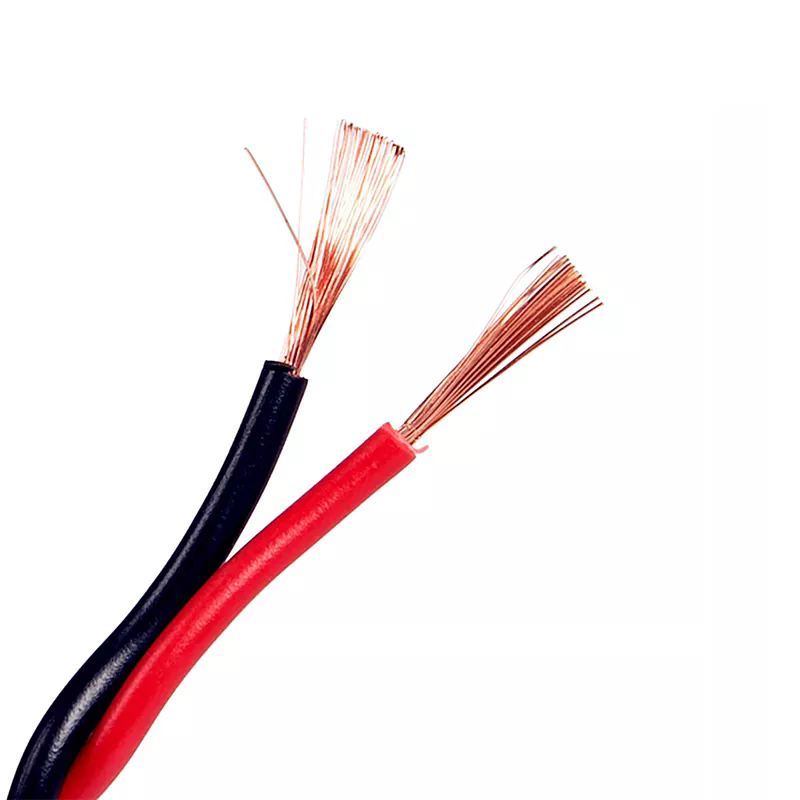
Key Specifications of Twisted Flexible Electric Wire
The following list summarizes typical parameters found in high-quality twisted flexible electric wires supplied across multiple industries:
| Parameter | Description |
|---|---|
| Conductor Material | High-purity annealed copper strands |
| Structure | Multi-strand twisted flexible core |
| Insulation | PVC, PE, XLPE, TPE depending on application |
| Rated Voltage | 300/500V or 450/750V options |
| Temperature Range | –20°C to +105°C (varies by insulation) |
| Flame Retardant Level | Optional VW-1, FT1, FT2, IEC flame ratings |
| Flexibility Grade | High bending resistance for dynamic use |
| Outer Jacket | Abrasion-resistant, oil-resistant, or UV-resistant options |
| Typical Colors | Red, black, blue, yellow/green, white, brown |
| Standard Compliance | IEC, RoHS, UL, GB, or customized specifications |
These parameters reflect the technical foundation that enables the wire to perform reliably in challenging environments. With increasing demand for compact wiring designs, energy efficiency, and safe electrical distribution, twisted flexible electric wire has become indispensable across diverse engineering fields.
How Does Twisted Flexible Electric Wire Enhance Electrical System Efficiency?
Twisted flexible electric wire improves system efficiency through a blend of structural design and material performance. The twisting of multiple flexible copper strands significantly reduces resistance and enhances current stability. When installed within compact or mobile systems, the wire delivers consistent power without excessive heat accumulation or mechanical fatigue.
Key Efficiency Advantages
-
Stable Conductivity
Multi-strand copper cores lower impedance and allow smoother current flow even under fluctuating loads. This helps reduce energy loss compared with single-core solid wires. -
Improved Heat Dissipation
The flexible design allows heat to disperse across a broader surface area, minimizing hotspots and prolonging the lifespan of surrounding components. -
Reduced Electromagnetic Interference
Twisting the conductors helps cancel out electromagnetic noise, improving signal stability in control circuits and sensitive electronics. -
Smarter Routing and Installation
Installers can bend and route the wire in tighter spaces without risking insulation cracks or conductor damage. This lowers installation time and reduces long-term maintenance. -
Better Performance in Moving Components
Robotics, conveyor systems, and automatic machinery rely on wires that can withstand thousands of bending cycles. Twisted flexible wires outperform rigid conductors in these dynamic environments.
As electrical infrastructure modernizes, the ability to deliver efficient, low-loss, and interference-free power makes twisted flexible electric wire a critical component in both high-load and precision applications.
How Does Twisted Flexible Electric Wire Improve Safety and Reliability?
Safety is a fundamental requirement in any electrical system. The structural characteristics of twisted flexible electric wire provide significant advantages in preventing hazards, ensuring long-term reliability, and withstanding harsh operating conditions.
Core Safety Features
-
High Flexural Strength
The wire’s ability to bend repeatedly without internal fractures reduces the likelihood of short circuits, especially in mobile equipment. -
Durable Insulation Materials
PVC, TPE, and XLPE insulation layers protect against moisture, chemicals, vibration, abrasion, and temperature fluctuations. -
Enhanced Flame Retardancy
Many twisted flexible wires meet flame-rated standards. Flame-retardant insulation slows down fire spread and reduces smoke generation. -
Overload and Temperature Resistance
The multi-strand design prevents conductor overheating, reducing risks associated with overload situations. -
Strain Relief and Torsion Protection
Twisting protects the core from torsion stress, safeguarding electrical continuity during installation, use, and movement. -
Longer Lifespan for Electrical Components
Stable current transmission minimizes voltage drops and thermal shock, protecting connected devices from electrical damage.
Why Safety Matters Across Industries
Whether used in household wiring, machinery, solar power systems, automotive harnessing, or outdoor electrical installations, twisted flexible electric wire enhances long-term reliability by resisting mechanical stress, environmental factors, and operational wear. It is engineered for environments where traditional rigid wire structures cannot maintain performance.
How Will Twisted Flexible Electric Wire Support Future Electrical and Industrial Trends?
The future of electrical wiring will be shaped by automation, energy optimization, electrification of transportation, and eco-friendly design. Twisted flexible electric wire aligns with these demands and is expected to play a central role across multiple emerging fields.
Emerging Trends and Their Impact
-
Growth of Smart Manufacturing
As factories adopt robotics, AI-driven automation, and advanced sensing systems, wiring must endure constant movement. The high flexibility and durability of twisted wire make it essential for cable chains, robotic arms, and smart production lines. -
Electrification of Vehicles
Electric cars, two-wheelers, and battery systems require vibration-resistant and thermally stable wiring. Twisted flexible wire supports safe transmission of both power and data in EV systems. -
Expansion of Renewable Energy
Solar and wind installations depend on low-loss power distribution. Twisted flexible wire reduces interference and can be manufactured with UV-resistant or weatherproof materials. -
Compact and Modular Device Design
Consumer electronics, medical equipment, and wearable technology increasingly require micro-wiring that withstands bending without degradation. -
Green and Recyclable Materials
Many manufacturers now prioritize RoHS-compliant, lead-free, and environmentally responsible materials. Twisted flexible wire can be produced using eco-friendly insulation options that align with global sustainability goals. -
Smarter Safety Standards
As building codes evolve, flame-retardant and low-smoke wire types are gaining demand. Twisted flexible wires with advanced insulation technologies meet these regulatory shifts.
These trends highlight why twisted flexible electric wire remains an essential infrastructure component across future power networks, digital technologies, and clean-energy applications.
How to Choose, Use, and Maintain Twisted Flexible Electric Wire for Optimal Performance?
Selecting the right twisted flexible electric wire is crucial for ensuring safe, efficient, and long-lasting electrical installations. This section offers practical guidance on choosing specifications, installation techniques, and maintenance procedures.
Selection Criteria
-
Voltage Rating Compatibility: Match wire rating with system voltage to avoid insulation failure.
-
Conductor Size (AWG/mm²): Choose based on current load and distance to minimize voltage drop.
-
Insulation Material:
-
PVC for general use
-
TPE or XLPE for high-temperature or industrial environments
-
-
Flexibility Requirements: Applications involving movement require high-strand-count conductors.
-
Environmental Factors: Consider UV resistance, moisture protection, or oil-resistant jackets for outdoor or industrial zones.
-
Certification Standards: Ensure compliance with UL, IEC, or regional electrical codes.
Installation Tips
-
Avoid sharp bends; maintain a proper bending radius.
-
Use protective conduits in areas exposed to abrasion.
-
Prevent excessive tension during routing.
-
Secure cables with flexible clamps to limit vibration damage.
-
Separate low-voltage and high-voltage lines to prevent interference.
Maintenance Recommendations
-
Inspect periodically for cracks, discoloration, or insulation wear.
-
Ensure connectors are tight and corrosion-free.
-
Replace wires showing signs of overheating or deformation.
-
Maintain clean cable routing to avoid accidental stress.
Common Questions About Twisted Flexible Electric Wire
Q1: What makes twisted flexible electric wire better than solid-core wire in moving applications?
A1: Twisted flexible electric wire contains many fine copper strands twisted together, allowing it to bend repeatedly without breaking. Solid-core wire is rigid and prone to internal cracking when exposed to frequent motion, which increases the risk of short circuits and electrical failure.
Q2: Can twisted flexible electric wire handle high temperatures and outdoor environments?
A2: Yes. When manufactured with appropriate insulation materials such as XLPE, TPE, or UV-resistant PVC, twisted flexible electric wire can withstand elevated temperatures, sunlight exposure, moisture, and mechanical stress. The exact performance depends on the chosen insulation grade and environmental protection ratings.
Twisted flexible electric wire is a dependable, efficient, and safety-enhancing solution for modern electrical systems. Its multi-strand twisted construction delivers superior conductivity, vibration resistance, heat management, and installation flexibility. As industries transition toward automated equipment, renewable energy systems, electric mobility, and compact electronics, the demand for robust wiring solutions continues to grow. With its adaptable structure and strong mechanical properties, twisted flexible electric wire is positioned to remain a crucial component in future power distribution and control technologies.
Manufacturers such as DAYA provide high-quality twisted flexible electric wires engineered to meet diverse industrial, commercial, and household requirements. For specifications, customization options, bulk orders, or technical guidance, contact us to learn more and receive professional support.
Send Inquiry


X
We use cookies to offer you a better browsing experience, analyze site traffic and personalize content. By using this site, you agree to our use of cookies.
Privacy Policy