 English
 Español
  Português
  русский
  Français
  日本語
日本語  Deutsch
  tiếng Việt
  Italiano
  Nederlands
  ภาษาไทย
  Polski
  한국어
한국어  Svenska
  magyar
  Malay
Malay  বাংলা ভাষার
  Dansk
Dansk  Suomi
Suomi  हिन्दी
  Pilipino
  Türkçe
  Gaeilge
  العربية
  Indonesia
  Norsk
Norsk  تمل
تمل  český
český  ελληνικά
  український
  Javanese
  فارسی
فارسی  தமிழ்
தமிழ்  తెలుగు
  नेपाली
  Burmese
  български
  ລາວ
ລາວ  Latine
  Қазақша
  Euskal
  Azərbaycan
  Slovenský jazyk
  Македонски
  Lietuvos
  Eesti Keel
  Română
  Slovenski
  मराठी
मराठी  Srpski језик


How to Choose the Right Low Voltage ABC Cable for Your Electrical Project?
Abstract: Low Voltage ABC (Aerial Bundled Cable) is a widely used solution for safe and efficient power distribution in residential, commercial, and industrial applications. This article provides a comprehensive guide on Low Voltage ABC Cables, including their specifications, installation considerations, common usage scenarios, and frequently asked questions. By the end of this guide, engineers, electricians, and project planners will have the knowledge to select the most suitable cable for their specific needs.
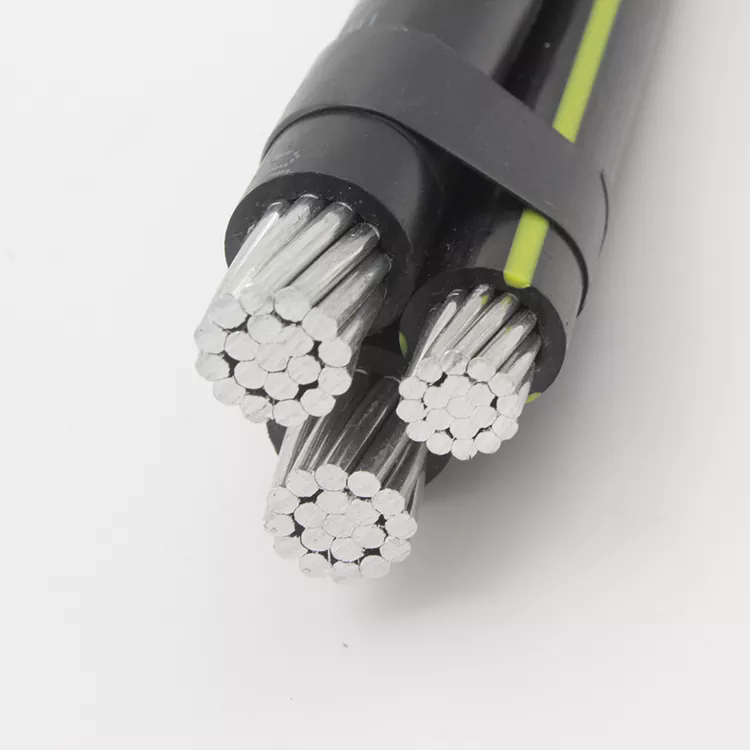
Table of Contents
1. Introduction to Low Voltage ABC Cable
Low Voltage ABC Cable, also known as Aerial Bundled Cable, is designed for overhead power distribution systems where space constraints or safety considerations require insulated conductor bundles. Unlike conventional bare conductor systems, ABC cables significantly reduce the risk of accidental electrocution, short circuits, and power outages caused by external interference. These cables are increasingly favored in urban and rural infrastructure projects due to their reliability, ease of installation, and durability under adverse weather conditions.
The core focus of this article is to provide a technical and practical understanding of Low Voltage ABC Cables, enabling readers to make informed decisions regarding cable selection, installation methods, and maintenance strategies.
2. Technical Specifications and Performance Parameters
Understanding the detailed specifications of Low Voltage ABC Cables is crucial for proper selection. The following table summarizes the key parameters typically offered by manufacturers like DAYA:
| Parameter | Description | Typical Range / Values |
|---|---|---|
| Conductor Material | High conductivity aluminum or copper | Aluminum Alloy / Copper |
| Insulation Type | Cross-linked polyethylene (XLPE) or PVC | XLPE / PVC |
| Voltage Rating | Maximum operating voltage | 0.6/1 kV |
| Conductor Sizes | Available sizes for different current capacities | 16mm², 25mm², 35mm², 50mm², 70mm², 95mm² |
| Temperature Range | Safe operating temperature for insulation | -20°C to +90°C |
| Number of Cores | Typical configuration for ABC cables | 3, 4 |
| Mechanical Strength | Tensile strength and sag resistance for overhead use | Compliant with IEC 60502 / IS 14255 |
Choosing the right combination of these parameters is critical to meet load requirements, environmental conditions, and regulatory compliance. Proper sizing ensures energy efficiency, reduces power loss, and extends the cable lifespan.
3. Applications and Installation Considerations
Low Voltage ABC Cables are extensively used in multiple scenarios:
- Urban Residential Networks: Overhead lines for safe distribution in densely populated areas.
- Rural Electrification: Reliable power delivery across longer distances where underground installation is not feasible.
- Industrial Complexes: Power supply for medium-voltage loads with reduced maintenance requirements.
- Temporary Installations: Construction sites and outdoor events requiring flexible and quick deployment.
When planning installation, several considerations ensure optimal performance:
- Tension and Sag: Proper tensioning prevents conductor sag and mechanical stress.
- Environmental Conditions: UV resistance, moisture tolerance, and temperature variation should match local climate.
- Support Structures: Poles, towers, or brackets must accommodate the bundled configuration safely.
- Safety Clearances: Maintain regulatory minimum distance from buildings, roads, and other utilities.
Compliance with local and international electrical standards (IEC, IS) ensures safety, durability, and uninterrupted service.
4. Frequently Asked Questions about Low Voltage ABC Cable
- Q1: How is Low Voltage ABC Cable different from traditional overhead bare conductors?
- A1: ABC cables feature insulated conductors bundled together, reducing risks of short circuits, electrocution, and environmental damage. Unlike bare conductors, they minimize power outages caused by external interference such as falling branches or lightning.
- Q2: What factors determine the correct size of an ABC cable for a project?
- A2: Key factors include the maximum load current, line length, permissible voltage drop, environmental conditions, and safety regulations. Manufacturers provide sizing charts correlating conductor cross-section with load capacity, ensuring energy efficiency and safe operation.
- Q3: Can Low Voltage ABC Cable be installed in both urban and rural areas?
- A3: Yes, ABC cables are versatile and can be deployed in densely populated cities to minimize hazards, as well as in rural areas to deliver reliable power over long distances. Installation guidelines vary slightly depending on support structures and environmental exposure.
5. Conclusion and Contact Information
Low Voltage ABC Cable provides a reliable, safe, and efficient solution for modern power distribution. By understanding the specifications, installation considerations, and common application scenarios, engineers and electricians can select the right cable to meet performance requirements and regulatory standards. Leading manufacturers like DAYA supply a wide range of high-quality ABC cables suitable for urban, rural, and industrial projects. For project inquiries, product details, or technical consultation, contact us today to ensure optimal solutions for your electrical needs.
Send Inquiry


X
We use cookies to offer you a better browsing experience, analyze site traffic and personalize content. By using this site, you agree to our use of cookies.
Privacy Policy