 English
 Español
  Português
  русский
  Français
  日本語
日本語  Deutsch
  tiếng Việt
  Italiano
  Nederlands
  ภาษาไทย
  Polski
  한국어
한국어  Svenska
  magyar
  Malay
Malay  বাংলা ভাষার
  Dansk
Dansk  Suomi
Suomi  हिन्दी
  Pilipino
  Türkçe
  Gaeilge
  العربية
  Indonesia
  Norsk
Norsk  تمل
تمل  český
český  ελληνικά
  український
  Javanese
  فارسی
فارسی  தமிழ்
தமிழ்  తెలుగు
  नेपाली
  Burmese
  български
  ລາວ
ລາວ  Latine
  Қазақша
  Euskal
  Azərbaycan
  Slovenský jazyk
  Македонски
  Lietuvos
  Eesti Keel
  Română
  Slovenski
  मराठी
मराठी  Srpski језик


What Is an Oil-immersed Transformer?
Article Abstract
An oil-immersed transformer is a critical component in modern power transmission and distribution systems, widely used in utilities, industrial facilities, and large-scale infrastructure projects. This article provides a comprehensive and practical explanation of oil-immersed transformers, focusing on how they work, why they are used, and how they address common customer concerns such as reliability, safety, thermal management, and long-term operating costs. Structured for clarity and depth, the content is designed to help decision-makers, engineers, and procurement professionals understand key considerations when selecting and maintaining oil-immersed transformers.
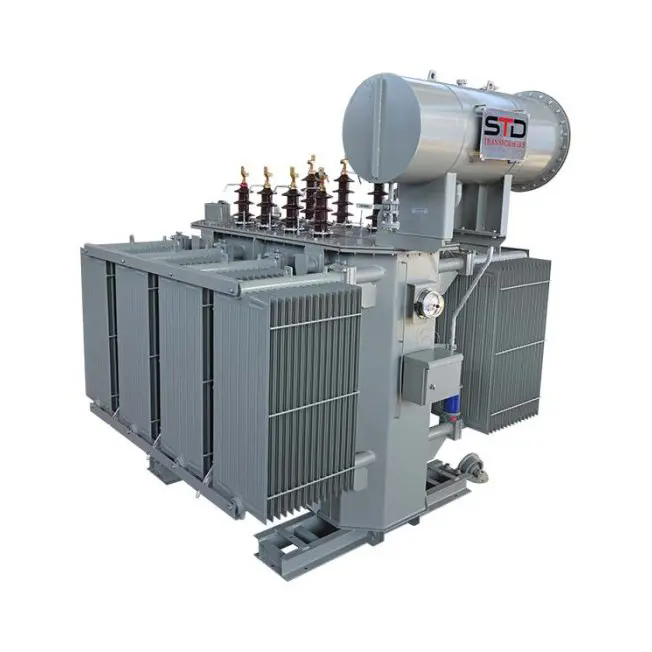
Table of Contents
- Content Outline
- Definition and Core Principles
- How an Oil-immersed Transformer Works
- Key Benefits for Power Systems
- Typical Applications
- Key Technical Parameters
- Maintenance and Operational Considerations
- Frequently Asked Questions
- Conclusion and Business Inquiry
Content Outline
- Understanding the role of oil in transformer insulation and cooling
- Identifying customer pain points in power equipment selection
- Comparing oil-immersed transformers with alternative solutions
- Evaluating performance, durability, and lifecycle value
Definition and Core Principles
An oil-immersed transformer is an electrical transformer in which the core and windings are submerged in insulating oil. This oil serves two primary purposes: electrical insulation and heat dissipation. By fully immersing the active components, the transformer can operate at higher loads while maintaining stable performance and long service life.
The insulating oil prevents electrical discharge between internal components and transfers heat generated during operation to the external cooling surfaces. This design has been widely adopted in medium- and high-voltage applications due to its proven stability and efficiency.
How an Oil-immersed Transformer Works
Oil-immersed transformers operate on the principle of electromagnetic induction. When alternating current flows through the primary winding, it generates a magnetic field in the core. This magnetic field induces a voltage in the secondary winding, enabling voltage transformation.
During this process, heat is inevitably produced. The insulating oil absorbs this heat and circulates naturally or through forced cooling mechanisms, transferring thermal energy to the tank walls and radiators. This continuous cycle ensures temperature control and prevents premature insulation aging.
Key Benefits for Power Systems
Oil-immersed transformers are favored in many power projects because they effectively address several operational challenges faced by users.
- High thermal efficiency, enabling stable operation under heavy loads
- Excellent insulation performance, reducing electrical failure risks
- Long service life with predictable aging characteristics
- Lower noise levels compared to some dry-type alternatives
- Cost-effective solution for medium and high voltage applications
Typical Applications
Oil-immersed transformers are used across a wide range of industries and environments where reliability and capacity are essential.
- Power generation and transmission substations
- Urban and rural power distribution networks
- Industrial plants with high energy demand
- Renewable energy projects such as wind and solar farms
- Infrastructure projects including railways and data centers
Key Technical Parameters
| Parameter | Description |
|---|---|
| Rated Capacity | Defines the maximum power output under standard conditions |
| Voltage Rating | Specifies primary and secondary voltage levels |
| Cooling Method | Common options include ONAN and ONAF cooling systems |
| Insulating Oil Type | Mineral oil or environmentally enhanced alternatives |
| Temperature Rise | Indicates thermal performance during operation |
Maintenance and Operational Considerations
Proper maintenance is essential to ensure long-term performance and safety. Regular oil testing helps identify moisture content, acidity, and dielectric strength, which are key indicators of internal condition. Visual inspections of seals, radiators, and bushings can prevent oil leakage and contamination.
Modern oil-immersed transformers are designed to simplify maintenance while offering consistent performance. When supported by appropriate monitoring and servicing practices, they can operate reliably for decades.
Frequently Asked Questions
Is an oil-immersed transformer suitable for outdoor installation?
Yes. Oil-immersed transformers are commonly installed outdoors and are designed to withstand environmental exposure when properly sealed and protected.
How does insulating oil improve transformer lifespan?
The oil reduces thermal stress and electrical discharge, slowing insulation aging and preserving internal components.
What factors should be considered before selecting an oil-immersed transformer?
Key considerations include load requirements, voltage levels, installation environment, cooling method, and long-term maintenance strategy.
Conclusion and Business Inquiry
Oil-immersed transformers remain a cornerstone of reliable power infrastructure due to their proven design, strong thermal performance, and adaptability across industries. For organizations seeking stable voltage transformation and long-term operational value, selecting a well-engineered solution is critical.
DAYA electrical offers professionally engineered oil-immersed transformers designed to meet diverse project requirements and international standards. To learn more about suitable configurations or to discuss project-specific needs, please contact us today and explore how a tailored solution can support your power system goals.
Send Inquiry


X
We use cookies to offer you a better browsing experience, analyze site traffic and personalize content. By using this site, you agree to our use of cookies.
Privacy Policy