 English
 Español
  Português
  русский
  Français
  日本語
日本語  Deutsch
  tiếng Việt
  Italiano
  Nederlands
  ภาษาไทย
  Polski
  한국어
한국어  Svenska
  magyar
  Malay
Malay  বাংলা ভাষার
  Dansk
Dansk  Suomi
Suomi  हिन्दी
  Pilipino
  Türkçe
  Gaeilge
  العربية
  Indonesia
  Norsk
Norsk  تمل
تمل  český
český  ελληνικά
  український
  Javanese
  فارسی
فارسی  தமிழ்
தமிழ்  తెలుగు
  नेपाली
  Burmese
  български
  ລາວ
ລາວ  Latine
  Қазақша
  Euskal
  Azərbaycan
  Slovenský jazyk
  Македонски
  Lietuvos
  Eesti Keel
  Română
  Slovenski
  मराठी
मराठी  Srpski језик


How to Choose the Right Rubber Cable for Industrial Applications?
Abstract: Rubber cables are essential components in modern industrial and construction environments, providing reliable electrical transmission under harsh conditions. This comprehensive guide delves into their specifications, applications, and common inquiries, offering clarity for engineers, procurement specialists, and technicians aiming to select the ideal rubber cable. The article emphasizes product parameters, industry uses, and troubleshooting tips while highlighting DAYA’s expertise in manufacturing high-quality rubber cables.
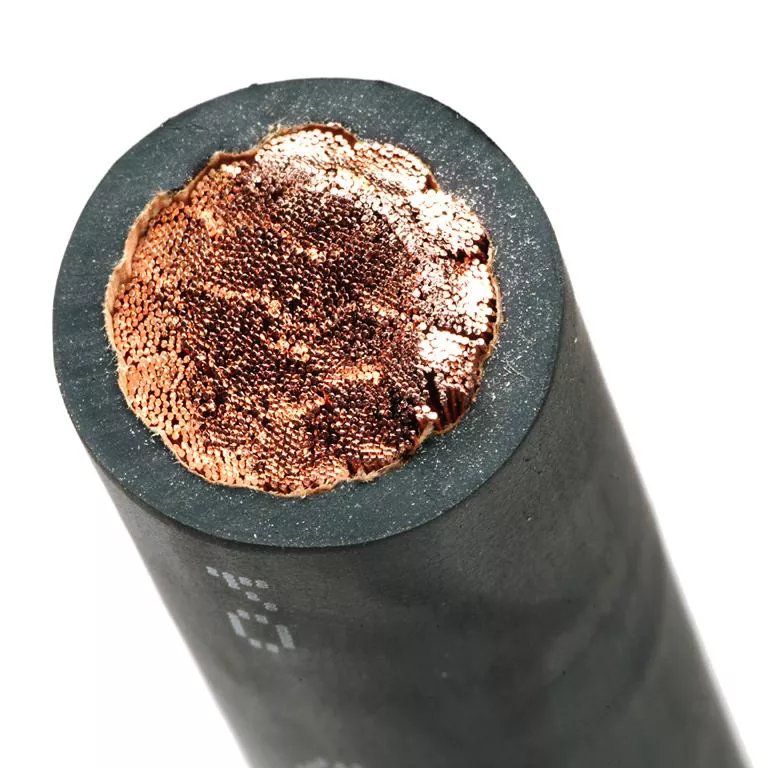
Table of Contents
- Introduction to Rubber Cables
- Key Specifications and Parameters
- Industrial Applications of Rubber Cables
- Rubber Cable Common Questions
- Industry Trends and Considerations
- Brand & Contact Information
1. Introduction to Rubber Cables
Rubber cables, also known as flexible industrial cables, are designed for environments where durability, flexibility, and electrical insulation are crucial. They are widely used in factories, construction sites, and outdoor installations due to their ability to withstand mechanical stress, extreme temperatures, and chemical exposure. This article will provide a thorough overview of rubber cable parameters, applications, and solutions to common challenges, offering guidance for selecting the optimal product for various industrial scenarios.
2. Key Specifications and Parameters
When selecting a rubber cable, several technical parameters must be considered. The following table summarizes standard specifications commonly required in industrial settings:
| Parameter | Description |
|---|---|
| Conductor Material | Copper or Aluminum, high conductivity, tinned options for corrosion resistance |
| Insulation | Natural rubber, synthetic rubber (EPR, Neoprene), heat and oil resistant |
| Voltage Rating | 300/500V, 450/750V, 0.6/1kV depending on application |
| Temperature Range | -40°C to +90°C, some variants up to +120°C |
| Flexibility | High flexibility for mobile equipment, low stiffness for easy installation |
| Sheath Material | Neoprene, PVC, or Thermoplastic rubber for abrasion resistance |
| Standards Compliance | IEC 60245, BS 6004, VDE certified |
Proper consideration of these parameters ensures safety, longevity, and efficiency in cable operation.
3. Industrial Applications of Rubber Cables
Rubber cables are versatile and suitable for a range of industrial and commercial applications. Four major use nodes include:
3.1 Construction and Heavy Machinery
Rubber cables are extensively used for powering cranes, hoists, and portable construction equipment. Their flexibility allows easy movement without damaging insulation even in rugged conditions.
3.2 Mining and Tunneling Operations
Mining operations require robust electrical cables capable of withstanding abrasion, moisture, and mechanical stress. Rubber cables provide reliability in underground and outdoor mining environments.
3.3 Industrial Manufacturing Facilities
In factories, rubber cables connect motors, pumps, and conveyor systems. Their high temperature and oil resistance ensure operational continuity and prevent downtime due to cable failures.
3.4 Outdoor and Temporary Installations
For temporary power setups, such as festivals, construction sites, and emergency backup systems, rubber cables are preferred for their durability, weather resistance, and compliance with safety standards.
4. Rubber Cable Common Questions
Below are some frequently asked questions to assist in practical selection and usage:
Q1: What are the main advantages of rubber cables over PVC cables?
A1: Rubber cables offer superior flexibility, resistance to abrasion, higher tolerance to extreme temperatures, and better durability under mechanical stress compared to standard PVC cables, making them ideal for mobile or outdoor industrial applications.
Q2: How to determine the correct size of rubber cable for a specific application?
A2: Cable size selection depends on the current rating, voltage level, length of the run, and environmental factors. Calculating voltage drop, thermal rating, and mechanical load is crucial. For precise sizing, consult manufacturer datasheets and adhere to IEC/NEC guidelines.
Q3: Can rubber cables be used in wet or chemical-prone environments?
A3: Yes, specific rubber insulation types like Neoprene and EPR provide high resistance to water, oils, chemicals, and UV exposure. Always ensure compliance with local safety standards and verify manufacturer specifications for resistance levels.
5. Industry Trends and Considerations
Rubber cable technology is evolving to meet increasing demands for energy efficiency, safety, and sustainability. Current trends include:
- Development of eco-friendly insulation materials with lower environmental impact.
- Integration of fire-retardant and halogen-free compounds for safer installations.
- Enhanced flexibility and mechanical performance for robotic and automated systems.
- Smart cables with monitoring capabilities to detect overheating or mechanical damage.
Understanding these trends allows procurement and engineering teams to select cables that not only meet current operational needs but also anticipate future technological requirements.
6. Brand & Contact Information
DAYA has established itself as a reliable manufacturer of high-performance rubber cables for industrial, commercial, and outdoor applications. With decades of expertise, DAYA ensures compliance with international standards, durability, and tailored solutions for specialized environments. For detailed inquiries, project consultations, or bulk orders, please contact us directly. DAYA’s team provides professional support to optimize cable selection, installation, and maintenance.
Send Inquiry


X
We use cookies to offer you a better browsing experience, analyze site traffic and personalize content. By using this site, you agree to our use of cookies.
Privacy Policy