 English
 Español
  Português
  русский
  Français
  日本語
日本語  Deutsch
  tiếng Việt
  Italiano
  Nederlands
  ภาษาไทย
  Polski
  한국어
한국어  Svenska
  magyar
  Malay
Malay  বাংলা ভাষার
  Dansk
Dansk  Suomi
Suomi  हिन्दी
  Pilipino
  Türkçe
  Gaeilge
  العربية
  Indonesia
  Norsk
Norsk  تمل
تمل  český
český  ελληνικά
  український
  Javanese
  فارسی
فارسی  தமிழ்
தமிழ்  తెలుగు
  नेपाली
  Burmese
  български
  ລາວ
ລາວ  Latine
  Қазақша
  Euskal
  Azərbaycan
  Slovenský jazyk
  Македонски
  Lietuvos
  Eesti Keel
  Română
  Slovenski
  मराठी
मराठी  Srpski језик


How to Select the Right Medium Voltage Cable for Industrial and Infrastructure Projects?
Summary: Medium voltage cables play a critical role in delivering electricity safely and efficiently across industrial, commercial, and infrastructure networks. Selecting the right cable requires understanding voltage levels, insulation types, installation methods, and environmental factors. This article provides a detailed guide to help engineers, project managers, and facility operators choose the appropriate medium voltage cable for their projects.
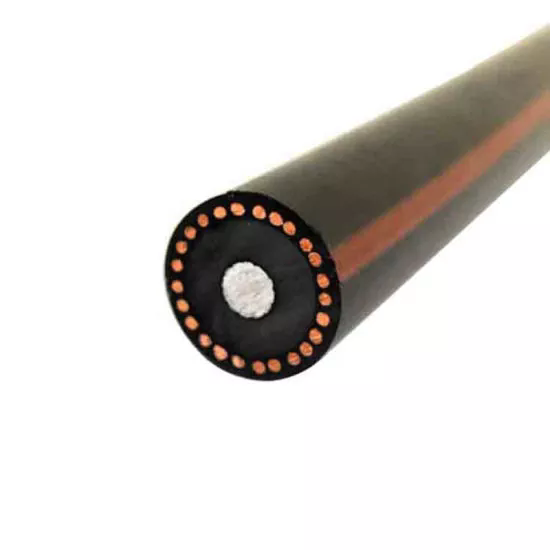
Table of Contents
- Overview of Medium Voltage Cables
- Types of Medium Voltage Cables
- Key Factors in Selecting Medium Voltage Cables
- Installation Considerations
- Maintenance and Safety Guidelines
- Frequently Asked Questions
- Contact Us
Overview of Medium Voltage Cables
Medium voltage (MV) cables are designed to carry electricity at voltages ranging from 1,000 to 69,000 volts. They are commonly used in:
- Power distribution networks
- Industrial facilities
- Underground electrical systems
- Infrastructure projects such as railways and airports
DAYA offers a range of high-quality medium voltage cables that meet international standards and are suitable for diverse applications.
Types of Medium Voltage Cables
Medium voltage cables come in several types depending on insulation, construction, and installation needs:
| Type | Description | Typical Applications |
|---|---|---|
| MV Power Cable | Designed for high-capacity power transmission with cross-linked polyethylene (XLPE) insulation. | Industrial plants, power grids |
| MV ABC (Aerial Bundled Conductor) Cable | Bundled overhead cables insulated for safety and reduced energy loss. | Urban and rural overhead power distribution |
| MV Concentric Cable | Cables with a neutral conductor surrounding the phase conductor for balanced load and fault protection. | Underground and critical infrastructure |
Key Factors in Selecting Medium Voltage Cables
Selecting the right medium voltage cable involves analyzing several factors:
- Voltage Rating: Ensure the cable matches the system's voltage requirement, typically between 1kV and 69kV.
- Current Carrying Capacity: Determine based on expected load and environmental conditions.
- Insulation Material: XLPE and EPR are common; selection depends on temperature, chemical exposure, and installation method.
- Environmental Conditions: Consider outdoor exposure, underground installation, and potential moisture or chemical contact.
- Mechanical Protection: For buried or high-risk areas, armored cables prevent damage from external stress.
- Regulatory Standards: Compliance with IEC, IEEE, or local electrical codes ensures reliability and safety.
Installation Considerations
Proper installation maximizes the lifespan and efficiency of medium voltage cables. Key points include:
- Maintaining the minimum bending radius during installation
- Ensuring proper grounding and bonding
- Using cable trays, ducts, or conduits suited for the cable type
- Protecting against physical damage and environmental stress
- Performing electrical testing before energization
DAYA provides detailed installation guides and supports clients in implementing MV cable solutions correctly, reducing downtime and operational risk.
Maintenance and Safety Guidelines
Routine maintenance ensures medium voltage cables operate efficiently and safely:
- Regular visual inspections for insulation damage or environmental wear
- Testing insulation resistance to detect potential failures
- Monitoring temperature and load to prevent overheating
- Implementing emergency response plans for faults or outages
Adhering to these maintenance practices reduces the risk of failures and prolongs cable service life.
Frequently Asked Questions
Q1: How do I know the right voltage rating for my project?
A: Determine the voltage level of your distribution system. MV cables are suitable for 1kV to 69kV networks. Consider both peak and continuous load requirements.
Q2: What insulation material is best for outdoor use?
A: Cross-linked polyethylene (XLPE) offers high resistance to UV, moisture, and chemical exposure, making it ideal for outdoor installations.
Q3: Can medium voltage cables be used underground?
A: Yes, armored or concentric neutral cables are preferred for underground applications to protect against physical damage and maintain system reliability.
Q4: How often should medium voltage cables be tested?
A: Routine testing, including insulation resistance and partial discharge measurements, is recommended at least annually or per local regulations.
Contact Us
DAYA specializes in high-quality medium voltage cables for industrial, commercial, and infrastructure projects worldwide. Our products ensure reliable power transmission and long-term safety. To learn more or request a quote, contact us today and let our experts assist in selecting the perfect cable solution for your needs.
Previous:What Is an Oil-immersed Transformer?
Send Inquiry


X
We use cookies to offer you a better browsing experience, analyze site traffic and personalize content. By using this site, you agree to our use of cookies.
Privacy Policy