 English
 Español
  Português
  русский
  Français
  日本語
日本語  Deutsch
  tiếng Việt
  Italiano
  Nederlands
  ภาษาไทย
  Polski
  한국어
한국어  Svenska
  magyar
  Malay
Malay  বাংলা ভাষার
  Dansk
Dansk  Suomi
Suomi  हिन्दी
  Pilipino
  Türkçe
  Gaeilge
  العربية
  Indonesia
  Norsk
Norsk  تمل
تمل  český
český  ελληνικά
  український
  Javanese
  فارسی
فارسی  தமிழ்
தமிழ்  తెలుగు
  नेपाली
  Burmese
  български
  ລາວ
ລາວ  Latine
  Қазақша
  Euskal
  Azərbaycan
  Slovenský jazyk
  Македонски
  Lietuvos
  Eesti Keel
  Română
  Slovenski
  मराठी
मराठी  Srpski језик


How Does a Dry-type Transformer Work?
Summary: Dry-type transformers are crucial components in modern electrical systems, offering enhanced safety, reliability, and environmental benefits. Unlike oil-filled transformers, they use air for cooling and are flame-retardant, explosion-proof, and maintenance-friendly. This guide explores their working principles, technical parameters, applications, and FAQs to help customers understand why they are a preferred solution for power distribution.
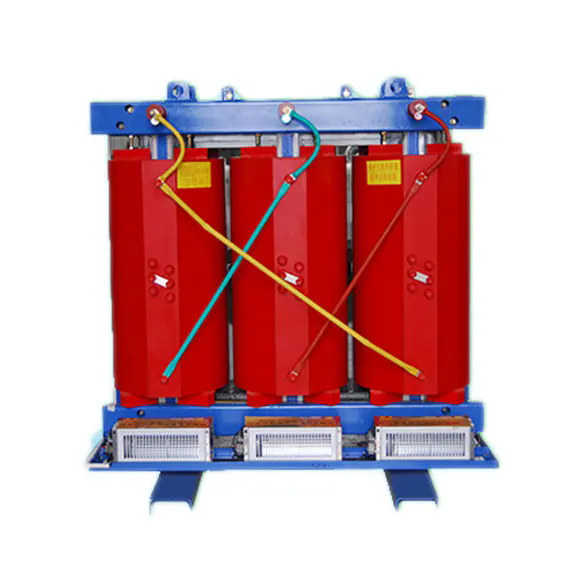
Table of Contents
- Overview of Dry-type Transformers
- Working Principle
- Key Advantages
- Technical Specifications
- Applications
- Frequently Asked Questions
- Contact Information
Overview of Dry-type Transformers
Dry-type transformers are electrical devices designed to transfer electrical energy between circuits without using insulating oil. Instead, they rely on air convection for cooling. Their core and windings are encapsulated with epoxy or other insulating materials, making them fireproof and environmentally safe.
They are commonly used in:
- Commercial buildings
- Industrial facilities
- Hospitals and schools
- Indoor substations
Working Principle
Dry-type transformers operate based on electromagnetic induction. The primary winding receives electrical energy, creating a magnetic flux in the core. This flux induces a voltage in the secondary winding, transferring energy without direct contact. Air convection cools the system, maintaining optimal performance without the need for liquid insulation.
Key cooling mechanisms include:
- Natural air convection (AN)
- Forced air cooling (AF)
- Combination cooling methods for high-capacity transformers
Key Advantages
Dry-type transformers provide several benefits over traditional oil-filled transformers:
- Fire safety: No oil reduces fire hazards.
- Environmental protection: Non-toxic materials and no risk of oil leaks.
- Low maintenance: Reduced inspection and oil management requirements.
- Durability: Resistant to moisture and dust, suitable for indoor environments.
- Compact design: Lightweight and easier to install in confined spaces.
Technical Specifications
| Parameter | Typical Value |
|---|---|
| Voltage Rating | Up to 36kV |
| Capacity | 50 kVA – 5000 kVA |
| Cooling Method | AN / AF / ANAF |
| Insulation Class | F / H |
| Frequency | 50/60 Hz |
| Mounting | Indoor / Outdoor |
Applications
Dry-type transformers are versatile and used across various sectors, including:
- Power distribution in commercial and residential complexes
- Renewable energy systems such as solar and wind plants
- Industrial machinery and manufacturing equipment
- Critical infrastructure including hospitals and data centers
Frequently Asked Questions
- Q: Are dry-type transformers safer than oil-filled transformers?
- A: Yes. They eliminate the risk of oil leaks and reduce fire hazards, making them safer for indoor installations.
- Q: How is a dry-type transformer cooled?
- A: Cooling is achieved through natural air convection or forced air systems, maintaining temperature without liquid insulation.
- Q: What maintenance is required?
- A: Minimal maintenance is needed, primarily inspection of insulation and connections.
- Q: Can dry-type transformers handle high loads?
- A: Yes, modern designs support capacities up to several thousand kVA with efficient cooling and insulation.
DAYA electrical provides high-quality dry-type transformers tailored for safety, reliability, and performance. For inquiries, detailed specifications, or to request a quote, contact us today and our experts will assist you promptly.
Send Inquiry


X
We use cookies to offer you a better browsing experience, analyze site traffic and personalize content. By using this site, you agree to our use of cookies.
Privacy Policy