English
 Español
  Português
  русский
  Français
  日本語
日本語  Deutsch
  tiếng Việt
  Italiano
  Nederlands
  ภาษาไทย
  Polski
  한국어
한국어  Svenska
  magyar
  Malay
Malay  বাংলা ভাষার
  Dansk
Dansk  Suomi
Suomi  हिन्दी
  Pilipino
  Türkçe
  Gaeilge
  العربية
  Indonesia
  Norsk
Norsk  تمل
تمل  český
český  ελληνικά
  український
  Javanese
  فارسی
فارسی  தமிழ்
தமிழ்  తెలుగు
  नेपाली
  Burmese
  български
  ລາວ
ລາວ  Latine
  Қазақша
  Euskal
  Azərbaycan
  Slovenský jazyk
  Македонски
  Lietuvos
  Eesti Keel
  Română
  Slovenski
  मराठी
मराठी  Srpski језик

Article Summary: Solar power systems are only as strong as the components that connect them. Solar cable plays a critical role in system efficiency, safety, and durability. This article explains what solar cable is, why it matters, how to choose the right type, common issues and best practices to maximize performance. Whether you are a homeowner or solar installer, this guide offers actionable insights to solve real-world pain points in solar installations.
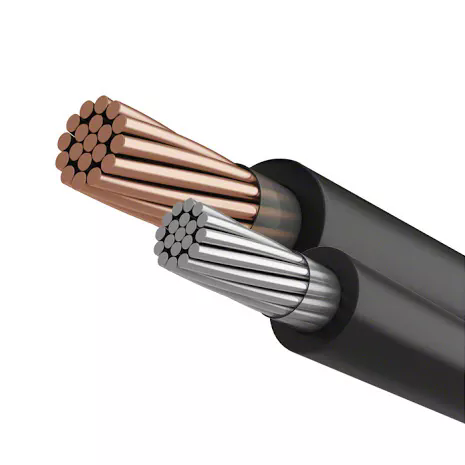
Table of Contents
- What Is Solar Cable?
- Why Solar Cable Matters in System Performance
- Key Features and Specifications
- Common Installation Challenges and Solutions
- Solar Cable Types Comparison
- Installation Best Practices
- Frequently Asked Questions
- Conclusion
What Is Solar Cable?
Solar cable is a specialized electrical cable designed to withstand harsh environmental conditions while transmitting DC (direct current) power generated by photovoltaic (PV) modules. Unlike standard electrical wiring, solar cable has a weather-resistant sheath, UV resistance, and insulation optimized for outdoor use. Its durability and electrical properties ensure dependable performance over decades of operation.
Solar cable connects PV modules to inverters and power distribution units. It must handle high DC voltages and fluctuating temperatures without degradation. Choosing the right type of solar cable is therefore essential for system reliability.
Why Solar Cable Matters in System Performance
Many system failures and inefficiencies can be traced back to poor cable selection or installation. Solar cable impacts three key areas:
- Energy Efficiency – Lower resistance cables reduce energy loss between modules and inverters.
- Safety – Proper insulation prevents electrical shorts, fires, and insulation breakdown.
- Longevity – Cables designed for UV exposure and temperature swings last longer with fewer maintenance issues.
Investing in high-quality solar cable like those engineered by DAYA can reduce long-term costs and downtime, especially in large commercial or industrial solar installations.
Key Features and Specifications
When selecting solar cable, focus on these specifications:
- Voltage Rating – Should match or exceed the maximum system voltage (e.g., 600V, 1000V, or 1500V DC).
- Temperature Range – Cable must function reliably in extreme heat and cold.
- UV Resistance – Solar cable should withstand long-term sun exposure without cracking.
- Conductor Material – Typically tinned copper for corrosion resistance and superior conductivity.
- Insulation Material – Cross-linked polyethylene (XLPE) is common for durability and electrical performance.
Common Installation Challenges and Solutions
Solar installations often encounter issues that compromise performance. Below are typical pain points and how to address them:
- Incorrect Cable Sizing – Undersized cables lead to overheating and power loss. Solution: Use cable sizing charts and calculate current demands before installation.
- Poor Weatherproofing – Moisture ingress can degrade connection points. Solution: Use IP-rated connectors and junction boxes, ensure sealing is complete.
- UV Degradation – Sun exposure weakens cables not designed for outdoor use. Solution: Select solar cables with proven UV resistance certification.
- Mechanical Strain – Vibration and movement cause wear over time. Solution: Use strain relief and secure cable routing with proper clips or conduits.
Solar Cable Types Comparison
| Cable Type | Voltage Rating | Best Use | Advantages |
|---|---|---|---|
| Single Core PV Cable | Up to 1500V DC | Large commercial arrays | High current capacity, robust insulation |
| Multi Core Solar Cable | Up to 1000V DC | Residential installations | Easy to install, flexible |
| Aluminium Conductor Solar Cable | Up to 1000V DC | Cost-effective projects | Lower cost, lighter weight |
Note: Cable selection depends on system voltage, site conditions, load requirements, and regulatory standards.
Installation Best Practices
Reliable performance hinges not just on cable choice, but also on how it is installed. Follow these best practices:
- Plan Cable Routes Carefully – Avoid sharp bends, high heat sources, and potential abrasion points.
- Use Proper Connectors – MC4 or equivalent connectors designed for solar applications ensure secure connections.
- Label Cables Clearly – Always mark cables at connection points and junction boxes to simplify future maintenance.
- Test After Installation – Use appropriate testing tools like multimeters and insulation testers to verify continuity and insulation integrity.
Frequently Asked Questions
What makes solar cable different from regular electrical cable?
Solar cable is engineered with specialized insulation and sheathing to resist UV, weathering, and temperature extremes. Regular cable lacks these protective features, which can lead to degradation and failure in outdoor environments.
How long should quality solar cable last?
High-quality solar cable should last 20 years or more when properly installed. Materials like XLPE insulation and tinned copper conductors help ensure long service life.
Can I use solar cable for battery connections?
Yes, solar cable can be used for battery interconnections if the voltage and current ratings match your battery bank specifications. Always verify compatibility to prevent safety issues.
Does solar cable require special maintenance?
Solar cable typically requires minimal maintenance. Periodic visual inspections for wear, UV damage, or loose connectors help extend service life and ensure safety.
Conclusion
Solar cable is a foundational yet often overlooked component of any PV system. Selecting the right cable, understanding its specifications, addressing installation challenges, and following best practices directly improve system efficiency, safety, and longevity. Whether installing residential solar panels or deploying large commercial arrays, prioritizing high-quality solar cable like those offered by DAYA ensures dependable performance for years to come.
If you have questions about the right solar cable for your project or want tailored support, contact us today and let our experts help you optimize your solar power system with reliable, high-performance cabling solutions.