 English
 Español
  Português
  русский
  Français
  日本語
日本語  Deutsch
  tiếng Việt
  Italiano
  Nederlands
  ภาษาไทย
  Polski
  한국어
한국어  Svenska
  magyar
  Malay
Malay  বাংলা ভাষার
  Dansk
Dansk  Suomi
Suomi  हिन्दी
  Pilipino
  Türkçe
  Gaeilge
  العربية
  Indonesia
  Norsk
Norsk  تمل
تمل  český
český  ελληνικά
  український
  Javanese
  فارسی
فارسی  தமிழ்
தமிழ்  తెలుగు
  नेपाली
  Burmese
  български
  ລາວ
ລາວ  Latine
  Қазақша
  Euskal
  Azərbaycan
  Slovenský jazyk
  Македонски
  Lietuvos
  Eesti Keel
  Română
  Slovenski
  मराठी
मराठी  Srpski језик


How Does Bare Conductor Cable Support Modern Power Transmission Systems?
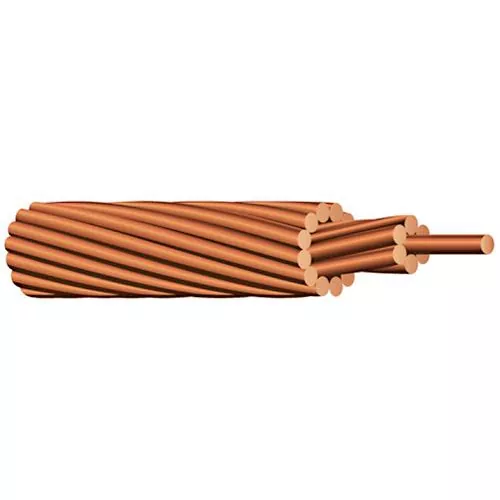
Bare Conductor Cable plays an important role in overhead power transmission and distribution networks where reliable electrical performance, mechanical strength, and long-term service stability are required. With the continuous development of power infrastructure, utilities and engineering projects are placing greater attention on conductor materials, manufacturing consistency, and application adaptability.
As power grids become more interconnected, conductor solutions need to meet different environmental and operational requirements. From urban power distribution to large-scale energy transmission projects, suitable conductor designs help maintain stable current flow while supporting efficient system operation.
Growing Demand for Reliable Conductive Solutions
The expansion of renewable energy systems, industrial facilities, and public power networks has increased the demand for dependable electrical components. Conductors used in outdoor applications must withstand changing weather conditions, mechanical stress, and continuous electrical loads during operation.
Modern power transmission projects require materials that combine conductivity, durability, and structural reliability. Manufacturers continue to improve production processes and material selection methods to provide solutions that can adapt to different installation environments.
Key Factors Influencing Conductor Performance
The performance of an overhead conductor depends on several technical aspects throughout its service life. Material quality, production technology, surface condition, and structural design all contribute to overall reliability.
- Electrical conductivity: Efficient current transmission requires conductor materials with stable electrical characteristics to reduce energy loss during operation.
- Mechanical strength: Outdoor power systems require conductors with sufficient tensile capability to maintain stable installation under various environmental conditions.
- Environmental adaptability: Products designed for outdoor applications need resistance against temperature changes, wind pressure, and other external influences.
- Manufacturing consistency: Advanced production management helps maintain product quality and performance throughout different production batches.
Application Areas in Power Infrastructure Development
Conductive components are widely applied in different power engineering scenarios. Their usage depends on transmission requirements, installation conditions, and system design specifications.
| Application Field | Main Requirements | Typical Characteristics |
|---|---|---|
| Power Distribution Networks | Stable electrical transmission and dependable operation | Suitable for continuous outdoor service |
| Industrial Power Systems | Reliable energy supply for equipment operation | Designed for demanding working environments |
| Energy Infrastructure Projects | Long service life and structural stability | Supports large-scale electrical systems |
The selection of suitable conductor products depends on project requirements, installation methods, and expected operating conditions. Professional manufacturers usually provide technical guidance and customized solutions to ensure compatibility with different power systems.
Manufacturing Technology and Quality Control
The manufacturing process of electrical conductors requires strict control of raw materials, forming procedures, and inspection methods. Consistent production standards help improve product reliability and reduce potential performance variations during field applications.
Advanced equipment and professional engineering teams contribute to better dimensional accuracy, surface quality, and overall product stability. Quality control procedures throughout manufacturing allow suppliers to maintain dependable performance for different electrical applications.
For power equipment manufacturers, integrating design capability with production experience is essential for developing products that meet changing market requirements. Continuous improvement in technology and management systems also supports higher efficiency and better product consistency.
Technical Development Trends in Electrical Transmission
The power industry is moving toward more efficient, intelligent, and sustainable transmission systems. This development encourages manufacturers to focus on improving material performance, production efficiency, and product adaptability.
Future power networks will require electrical components that can support increased energy demands while maintaining operational safety. Improvements in conductor technology, manufacturing processes, and quality management will continue to influence the development of transmission infrastructure.
How Manufacturers Improve Product Reliability
Reliable electrical products depend on comprehensive manufacturing capabilities rather than a single production step. Manufacturers are investing in advanced equipment, engineering expertise, and quality systems to enhance product performance.
- Optimized production processes for consistent product quality.
- Strict inspection procedures covering material and finished product performance.
- Professional technical teams supporting product development and application requirements.
- Flexible manufacturing capabilities for different engineering conditions.
Enhancing Power Network Efficiency Through Advanced Solutions
The development of modern electrical infrastructure requires continuous improvement in component reliability and system efficiency. As transmission networks expand, manufacturers need to consider not only electrical performance but also installation convenience, maintenance requirements, and long-term operational stability.
Advanced production methods allow electrical components to achieve better consistency and stronger adaptability. Through improved material processing, precision manufacturing, and comprehensive testing procedures, suppliers can provide solutions that support different power system applications.
Material Selection and Structural Considerations
Material selection is one of the most important factors affecting the service performance of electrical transmission products. Different application environments may require different combinations of conductivity, mechanical strength, and environmental resistance.
- Conductive materials should maintain stable electrical performance during long-term operation.
- Structural design should balance strength and flexibility to meet installation requirements.
- Surface treatment and manufacturing control can help improve durability in outdoor conditions.
- Production technology should support consistent quality for various project applications.
With professional engineering support, manufacturers can optimize product structures according to specific application conditions. This approach helps improve system reliability while reducing potential operational challenges.
Supporting Diverse Electrical Engineering Applications
Electrical transmission projects often involve different installation environments, including industrial facilities, utility networks, and infrastructure construction. Each application has unique requirements related to power capacity, operating conditions, and maintenance expectations.
A suitable conductor solution helps maintain stable electricity transmission and contributes to the safe operation of power systems. During project planning, engineers usually evaluate factors such as installation location, environmental conditions, and system design before selecting appropriate products.
| Consideration | Importance in Projects | Related Factors |
|---|---|---|
| Electrical Performance | Maintains efficient power transmission | Conductivity and operational stability |
| Mechanical Performance | Supports reliable installation | Strength and structural design |
| Production Quality | Ensures consistent application results | Manufacturing control and inspection |
Importance of Professional Manufacturing Capability
A complete manufacturing system provides advantages in product development, quality assurance, and technical support. Companies with integrated production capabilities can better respond to different engineering requirements and maintain stable supply capacity.
Professional manufacturers usually combine research capability, production management, and quality inspection systems to improve overall product reliability. This integrated approach helps electrical products achieve consistent performance in various market applications.
Bare Conductor Cable solutions are continuously evolving with advances in electrical engineering and manufacturing technology. Manufacturers are focusing on improving efficiency, durability, and adaptability to support the changing needs of global power infrastructure.
Future Development of Electrical Equipment Manufacturing
The global energy sector is moving toward smarter and more efficient power networks. This trend creates new requirements for electrical equipment manufacturers, encouraging them to improve production technologies and develop more adaptable solutions.
Future manufacturing development will focus on stronger quality management, optimized production processes, and better integration between product design and practical applications. These improvements will help electrical components provide stable performance throughout their service cycles.
Companies with long-term experience in electrical manufacturing have accumulated valuable knowledge in product development, engineering cooperation, and quality management. Their manufacturing capabilities provide important support for power projects requiring dependable electrical solutions.
About Daya Electric Group Co., Ltd.
Daya Electric Group Co., Ltd. is an experienced electrical equipment manufacturer located in Yongjia, Wenzhou, Zhejiang, with extensive experience in producing power transmission and distribution products. The company provides a wide range of electrical solutions, including wire and cable, high and low voltage switchgear, prefabricated substations, distribution equipment, circuit breakers, load switches, and transformer products.
Through its professional subsidiaries, Daya Electric Group Co., Ltd. integrates research, manufacturing, and supply capabilities across different electrical product categories. The company focuses on advanced production management, engineering development, and quality control to support domestic and international power projects.
With comprehensive manufacturing resources, professional technical teams, and a commitment to continuous improvement, Daya Electric Group Co., Ltd. provides reliable electrical solutions for global customers. Its experience in power equipment manufacturing enables the company to contribute to the development of modern energy infrastructure and deliver stable products for diverse application environments.
Send Inquiry


X
We use cookies to offer you a better browsing experience, analyze site traffic and personalize content. By using this site, you agree to our use of cookies.
Privacy Policy