 English
 Español
  Português
  русский
  Français
  日本語
日本語  Deutsch
  tiếng Việt
  Italiano
  Nederlands
  ภาษาไทย
  Polski
  한국어
한국어  Svenska
  magyar
  Malay
Malay  বাংলা ভাষার
  Dansk
Dansk  Suomi
Suomi  हिन्दी
  Pilipino
  Türkçe
  Gaeilge
  العربية
  Indonesia
  Norsk
Norsk  تمل
تمل  český
český  ελληνικά
  український
  Javanese
  فارسی
فارسی  தமிழ்
தமிழ்  తెలుగు
  नेपाली
  Burmese
  български
  ລາວ
ລາວ  Latine
  Қазақша
  Euskal
  Azərbaycan
  Slovenský jazyk
  Македонски
  Lietuvos
  Eesti Keel
  Română
  Slovenski
  मराठी
मराठी  Srpski језик


Amorphous Alloy Transformer: Working Principle, Advantages, and Practical Applications
An Amorphous Alloy Transformer is an energy-efficient transformer that uses amorphous metal materials as the core instead of traditional silicon steel. Due to the unique atomic structure of amorphous alloys, these transformers can significantly reduce no-load losses and improve energy efficiency, making them widely used in power distribution systems, industrial facilities, renewable energy projects, and energy-saving applications. With increasing demand for efficient power management and reduced energy consumption, amorphous alloy transformers have become an important solution for modern electrical distribution networks.
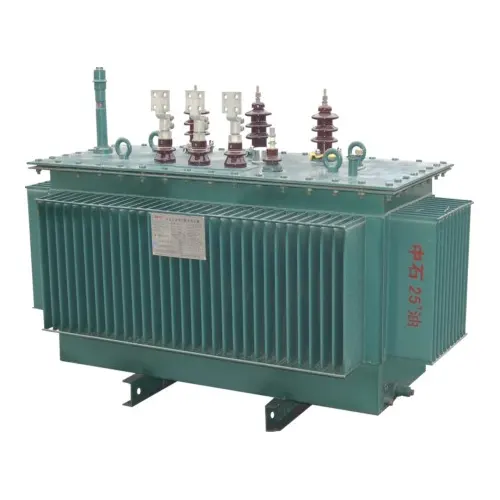
How Does an Amorphous Alloy Transformer Work?
The working principle of an amorphous alloy transformer is similar to that of a conventional transformer.
Electromagnetic Induction Process
When alternating current passes through the primary winding, it creates a changing magnetic field in the transformer core. This magnetic field induces voltage in the secondary winding, allowing electrical energy to be transferred.
Role of the Amorphous Core
The amorphous alloy core provides a low-loss magnetic path. Its disordered atomic structure reduces resistance to magnetic changes, which helps lower core losses during continuous operation.
Energy Conversion and Distribution
The transformer adjusts voltage levels according to power system requirements, allowing electricity to be distributed safely and efficiently.
Why Use Amorphous Alloy Materials for Transformer Cores?
Lower Core Loss
Amorphous alloy materials have lower hysteresis and eddy current losses compared with traditional core materials, helping improve transformer efficiency.
Improved Energy Saving Performance
Because no-load losses occur continuously even when the transformer is not fully loaded, reducing these losses can provide long-term energy savings.
Suitable for Long-Term Operation
Distribution transformers often operate continuously, so improvements in core efficiency can have a significant impact over the equipment lifetime.
Main Components of an Amorphous Alloy Transformer
| Component | Function |
|---|---|
| Amorphous Alloy Core | Provides a low-loss magnetic circuit for energy conversion |
| Windings | Transfers electrical energy between primary and secondary circuits |
| Insulation System | Prevents electrical breakdown and improves operational safety |
| Cooling System | Controls operating temperature and improves reliability |
| Protective Housing | Provides mechanical protection for internal components |
Key Advantages of Amorphous Alloy Transformers
High Energy Efficiency
The low-loss core design helps reduce wasted energy, especially in applications where transformers operate continuously.
Reduced Operating Costs
Lower energy losses can help reduce electricity consumption and improve the economic performance of power distribution systems.
Environmental Benefits
Improved energy efficiency contributes to lower overall energy consumption and supports energy-saving goals.
Stable Performance
Advanced core materials and optimized transformer designs help maintain reliable operation under different load conditions.
Amorphous Alloy Transformer vs Traditional Transformer
| Feature | Amorphous Alloy Transformer | Traditional Silicon Steel Transformer |
|---|---|---|
| Core Material | Amorphous alloy | Crystalline silicon steel |
| No-Load Loss | Lower | Higher |
| Energy Efficiency | Higher efficiency design | Standard efficiency design |
| Application Focus | Energy-saving distribution systems | General power distribution |
Applications of Amorphous Alloy Transformers
Power Distribution Networks
Amorphous alloy transformers are commonly installed in distribution systems where reducing long-term energy losses is important.
Commercial Buildings
Office buildings, shopping centers, and public facilities use these transformers to improve electrical efficiency.
Industrial Facilities
Factories and manufacturing plants often require reliable power distribution with controlled operating costs.
Renewable Energy Systems
Solar and wind power projects may use energy-efficient transformers to improve overall system performance.
Important Factors When Selecting an Amorphous Alloy Transformer
Rated Capacity
The transformer capacity should match the expected electrical load to ensure stable operation.
Voltage Requirements
Input and output voltage levels must meet the requirements of the power distribution system.
Installation Environment
Factors such as temperature, humidity, indoor or outdoor installation conditions should be considered.
Efficiency Requirements
Energy-saving goals and operating conditions should be evaluated when selecting transformer specifications.
Maintenance Tips for Amorphous Alloy Transformers
Regular Inspection
Routine checks help identify abnormal temperature, noise, oil leakage, or connection issues.
Monitor Operating Conditions
Tracking load conditions and temperature changes helps maintain safe transformer operation.
Keep Cooling Systems Effective
Proper cooling performance helps prevent overheating and supports long-term reliability.
Frequently Asked Questions About Amorphous Alloy Transformers
What makes an amorphous alloy transformer different?
It uses an amorphous metal core with a non-crystalline structure, which helps reduce core losses compared with traditional transformer cores.
Are amorphous alloy transformers energy efficient?
Yes. They are designed to reduce no-load losses and improve energy efficiency during continuous operation.
Where are amorphous alloy transformers used?
They are used in power distribution networks, commercial buildings, industrial facilities, and renewable energy systems.
Do amorphous alloy transformers require special maintenance?
Maintenance requirements are similar to other transformers, including regular inspection, temperature monitoring, and cooling system checks.
Final Thoughts
Amorphous Alloy Transformers provide an energy-efficient option for modern power distribution systems by using advanced core materials to reduce energy losses. Their low-loss characteristics, stable operation, and suitability for continuous use make them valuable in many electrical applications.
Understanding the structure, working principle, and selection considerations of amorphous alloy transformers helps users make better decisions when designing efficient power systems.
Send Inquiry


X
We use cookies to offer you a better browsing experience, analyze site traffic and personalize content. By using this site, you agree to our use of cookies.
Privacy Policy