 English
 Español
  Português
  русский
  Français
  日本語
日本語  Deutsch
  tiếng Việt
  Italiano
  Nederlands
  ภาษาไทย
  Polski
  한국어
한국어  Svenska
  magyar
  Malay
Malay  বাংলা ভাষার
  Dansk
Dansk  Suomi
Suomi  हिन्दी
  Pilipino
  Türkçe
  Gaeilge
  العربية
  Indonesia
  Norsk
Norsk  تمل
تمل  český
český  ελληνικά
  український
  Javanese
  فارسی
فارسی  தமிழ்
தமிழ்  తెలుగు
  नेपाली
  Burmese
  български
  ລາວ
ລາວ  Latine
  Қазақша
  Euskal
  Azərbaycan
  Slovenský jazyk
  Македонски
  Lietuvos
  Eesti Keel
  Română
  Slovenski
  मराठी
मराठी  Srpski језик


Why Choose a Vacuum Circuit Breaker?
Summary: Vacuum circuit breakers (VCBs) are a critical component in modern electrical systems, ensuring reliable interruption of electrical currents in medium and high-voltage applications. This article explores their working principle, advantages, types, applications, maintenance, and frequently asked questions, offering practical guidance for electrical engineers and facility managers.
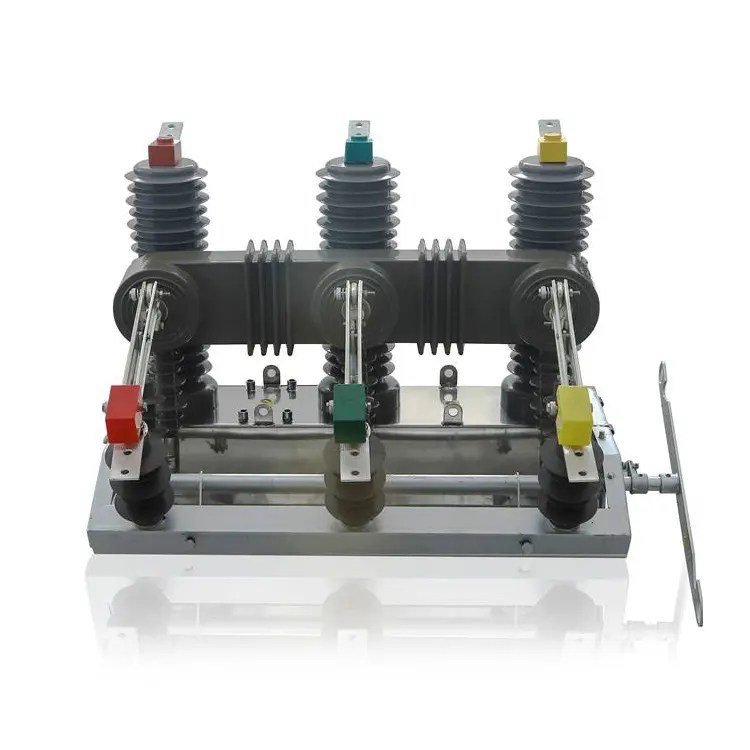
Table of Contents
- Introduction to Vacuum Circuit Breakers
- Working Principle
- Advantages
- Types of Vacuum Circuit Breakers
- Applications
- Maintenance Tips
- Frequently Asked Questions
- Conclusion
Introduction to Vacuum Circuit Breakers
A vacuum circuit breaker is designed to extinguish electric arcs within a vacuum medium. Unlike traditional air or oil circuit breakers, a vacuum provides superior dielectric strength and rapid arc extinction. The vacuum interrupter, a core component, allows current interruption within a sealed chamber, preventing oxidation and minimizing maintenance requirements.
Working Principle
The main mechanism of a vacuum circuit breaker involves the separation of electrical contacts inside a vacuum. When the contacts separate, an arc forms between them. The vacuum rapidly restores dielectric strength, extinguishing the arc almost instantaneously. This ensures minimal energy loss, reduces wear on components, and improves the overall longevity of the switchgear.
- Contact Operation: Moving contacts open and close to interrupt the circuit.
- Arc Formation: Occurs when contacts separate under load.
- Arc Extinction: Vacuum absorbs the arc energy and rapidly stops current flow.
- Dielectric Recovery: High vacuum ensures fast dielectric recovery, preventing short circuits.
Advantages
| Feature | Benefit |
|---|---|
| High dielectric strength | Ensures rapid arc extinction and operational safety |
| Minimal maintenance | Sealed vacuum reduces oxidation and contact wear |
| Compact size | Allows installation in limited spaces and modular switchgear |
| Environmentally safe | No oil or SF6 gas, reducing environmental hazards |
| Long service life | Up to 20 years with proper maintenance |
Types of Vacuum Circuit Breakers
- Indoor VCB: Used in enclosed switchgear, offering protection in controlled environments.
- Outdoor VCB: Designed for open-air substations, resistant to weather and pollution.
- Fixed VCB: Permanently installed in a specific switchgear panel.
- Withdrawable VCB: Can be easily removed for maintenance or replacement without disturbing other equipment.
Applications
Vacuum circuit breakers are widely used in medium and high-voltage electrical networks. Their applications include:
- Industrial power distribution systems
- Substations and transformer protection
- Renewable energy installations, such as solar and wind farms
- Commercial buildings requiring compact and reliable switchgear
- Railway and transportation electrification systems
Maintenance Tips
Proper maintenance ensures optimal performance of vacuum circuit breakers:
- Regular inspection of contact wear and alignment
- Checking operating mechanisms for smooth motion
- Testing insulation and vacuum integrity periodically
- Cleaning dust and debris from enclosures
- Replacing components based on manufacturer’s schedule
Frequently Asked Questions
Q1: How long does a vacuum circuit breaker last?
A1: With proper maintenance, a vacuum circuit breaker can last 15–20 years, depending on operating conditions and load cycles.
Q2: Can vacuum circuit breakers be used in outdoor environments?
A2: Yes, outdoor VCBs are specially designed to withstand weather, pollution, and temperature variations while maintaining reliable performance.
Q3: How does a vacuum circuit breaker differ from an SF6 breaker?
A3: Unlike SF6 breakers that use gas for arc quenching, VCBs rely on a vacuum. This eliminates the risk of greenhouse gas leakage and reduces maintenance needs.
Q4: What are common problems with vacuum circuit breakers?
A4: The most common issues include contact erosion, mechanical wear of operating mechanisms, and insulation degradation. Timely inspection prevents failures.
Conclusion
Vacuum circuit breakers are a safe, reliable, and efficient solution for modern electrical distribution systems. DAYA electrical provides a wide range of indoor and outdoor VCBs tailored to meet industry standards and customer requirements. For inquiries or personalized recommendations, contact us today to ensure optimal protection for your electrical network.
Send Inquiry


X
We use cookies to offer you a better browsing experience, analyze site traffic and personalize content. By using this site, you agree to our use of cookies.
Privacy Policy