 English
 Español
  Português
  русский
  Français
  日本語
日本語  Deutsch
  tiếng Việt
  Italiano
  Nederlands
  ภาษาไทย
  Polski
  한국어
한국어  Svenska
  magyar
  Malay
Malay  বাংলা ভাষার
  Dansk
Dansk  Suomi
Suomi  हिन्दी
  Pilipino
  Türkçe
  Gaeilge
  العربية
  Indonesia
  Norsk
Norsk  تمل
تمل  český
český  ελληνικά
  український
  Javanese
  فارسی
فارسی  தமிழ்
தமிழ்  తెలుగు
  नेपाली
  Burmese
  български
  ລາວ
ລາວ  Latine
  Қазақша
  Euskal
  Azərbaycan
  Slovenský jazyk
  Македонски
  Lietuvos
  Eesti Keel
  Română
  Slovenski
  मराठी
मराठी  Srpski језик


How Does Low Voltage Cable Solve Your Power Distribution Challenges?
Summary
Low voltage cable is a cornerstone of modern electrical distribution for residential, commercial, and industrial applications. This article explains what low voltage cable is, why it matters, how to choose the right type, and how proper deployment minimizes downtime, reduces safety risks, and improves energy efficiency. It also addresses common questions and outlines how DAYA’s solutions support reliable performance in diverse environments.
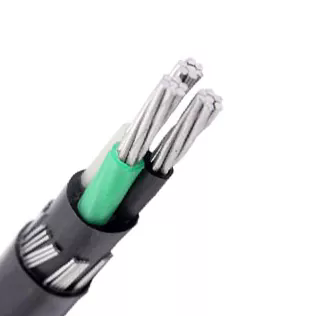
Table of Contents
Definition of Low Voltage Cable
Low voltage cable refers to wiring systems designed to carry electrical power at voltages lower than standard distribution lines. Generally, these cables operate at voltages below 1,000 volts (1 kV), supporting applications such as lighting circuits, outlets, and small power distribution networks. Because they move electricity over short distances with minimal energy loss, they are foundational in buildings, infrastructure, and automation systems.
Why Low Voltage Cable Matters
In both new construction and renovation projects, low voltage cable ensures that electric power reaches devices safely and efficiently. Their correct selection and installation influence system reliability, safety, and long-term maintenance costs. Poor cable choice can lead to overheating, voltage drop, fire hazards, or unexpected downtime.
Types of Low Voltage Cables
Low voltage cables come in several designs depending on application:
| Cable Type | Application | Key Features |
|---|---|---|
| PVC Insulated Cable | General power circuits | Cost-effective, good insulation |
| XLPE (Cross-Linked Polyethylene) Cable | Higher temperature environments | High heat resistance, long lifespan |
| Armored Cable | Industrial settings | Enhanced mechanical protection |
| Control Cable | Automation and control systems | Multiple cores, low interference |
How to Select the Right Low Voltage Cable
Choosing the appropriate low voltage cable requires consideration of several critical factors:
- Load Capacity: Match the cable’s ampacity with the anticipated electrical load.
- Environmental Conditions: Assess exposure to moisture, chemicals, heat, or UV radiation.
- Installation Environment: Indoor, outdoor, buried, or embedded—each has unique requirements.
- Regulatory Standards: Ensure cables conform to local and international safety standards.
- Future Expansion: Factor in potential growth to prevent early obsolescence.
Conducting a thorough load and environmental analysis before specifying cable type ensures optimal performance and longevity of your electrical system.
Installation Best Practices
Proper installation techniques directly influence cable life and performance. Here is a quick checklist to support quality installation:
- Plan pathway routes to avoid heat sources and sharp edges.
- Use conduit or cable tray systems when feasible to reduce mechanical damage.
- Maintain manufacturer-recommended bend radii to prevent internal conductor stress.
- Label cable routes clearly for future maintenance and troubleshooting.
- Test continuity and insulation resistance before energizing circuits.
These procedures minimize risk during installation and support easier diagnostics throughout the lifecycle of the system.
Benefits of Proper Low Voltage Cable Deployment
When you plan, select, and install low voltage cables correctly, you unlock multiple business and operational advantages:
- Enhanced Safety: Reduces fire and electrical shock risks.
- Energy Efficiency: Minimizes voltage drop and power loss.
- Reduced Maintenance Costs: High-quality cable systems require less frequent replacement.
- Improved Uptime: Reliable power distribution supports continuous operations.
- Compliance Assurance: Aligns your electrical systems with code requirements.
Frequently Asked Questions
What distinguishes low voltage cable from medium or high voltage cable?
Low voltage cables operate below 1,000 volts, while medium and high voltage cables are rated for significantly higher voltages and require different insulation and construction standards for safety.
How long should a properly installed low voltage cable last?
When correctly specified and installed, low voltage cables typically last 20 years or more, depending on environmental exposure and load conditions.
Can I use the same cable type outdoors and indoors?
Not always. Outdoor environments may require UV-resistant jackets and additional protections not necessary for indoor installations.
What maintenance does a low voltage cable system require?
Regular visual inspections, routine checks of insulation resistance, and ensuring cable supports remain secure are some of the standard practices.
Conclusion
A well-designed low voltage cable system forms the backbone of safe, efficient, and dependable power distribution in nearly every building and industrial setting. By understanding types, selection criteria, and installation best practices, you can significantly improve system performance and lifecycle value. DAYA offers a robust portfolio of low voltage cable solutions engineered to deliver reliable performance across diverse applications. If you are evaluating cable options or planning an upgrade, we are here to help you optimize your electrical distribution strategy.
Contact us to discuss your specific requirements and ensure your next project benefits from expert guidance and premium-quality cable products.
Previous:Why Choose a Vacuum Circuit Breaker?
Send Inquiry


X
We use cookies to offer you a better browsing experience, analyze site traffic and personalize content. By using this site, you agree to our use of cookies.
Privacy Policy