 English
 Español
  Português
  русский
  Français
  日本語
日本語  Deutsch
  tiếng Việt
  Italiano
  Nederlands
  ภาษาไทย
  Polski
  한국어
한국어  Svenska
  magyar
  Malay
Malay  বাংলা ভাষার
  Dansk
Dansk  Suomi
Suomi  हिन्दी
  Pilipino
  Türkçe
  Gaeilge
  العربية
  Indonesia
  Norsk
Norsk  تمل
تمل  český
český  ελληνικά
  український
  Javanese
  فارسی
فارسی  தமிழ்
தமிழ்  తెలుగు
  नेपाली
  Burmese
  български
  ລາວ
ລາວ  Latine
  Қазақша
  Euskal
  Azərbaycan
  Slovenský jazyk
  Македонски
  Lietuvos
  Eesti Keel
  Română
  Slovenski
  मराठी
मराठी  Srpski језик


How Does a Bare Conductor Cable Ensure Efficient Power Transmission?
Article Abstract
Bare Conductor Cables are fundamental components in high-voltage and low-voltage power transmission systems. They enable efficient energy transfer over long distances and are widely applied in overhead transmission lines and distribution networks. This article explores the technical specifications, material selection, installation practices, and operational considerations for Bare Conductor Cables. It also addresses common customer concerns, providing detailed answers to frequently asked questions to support informed purchasing and project implementation decisions.
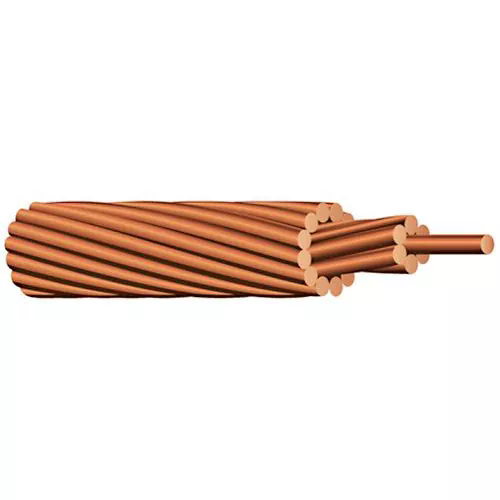
Table of Contents
- Article Outline
- Introduction to Bare Conductor Cable
- Types and Material Characteristics
- Technical Specifications
- Application Scenarios
- Installation and Maintenance Guidelines
- Frequently Asked Questions
- Conclusion and Contact Information
Article Outline
- Overview of Bare Conductor Cable fundamentals
- Classification and material characteristics
- Technical parameters and performance indicators
- Application scenarios and advantages in power systems
- Installation and maintenance considerations
- FAQs addressing customer concerns
- Brand mention and marketing guidance
Introduction to Bare Conductor Cable
Bare Conductor Cables are uninsulated electrical conductors designed to transmit electricity efficiently across transmission lines. They are primarily used in overhead power lines, substation connections, and distribution networks. The absence of insulation allows heat dissipation, reduces weight, and simplifies installation, making them cost-effective for large-scale power transmission projects. The core purpose of these cables is to provide reliable, continuous energy flow while maintaining mechanical strength and environmental durability.
Types and Material Characteristics
Bare Conductor Cables are classified based on material composition, structural configuration, and application. The main types include:
- Aluminum Conductor: Lightweight, corrosion-resistant, suitable for medium to high-voltage transmission lines.
- Aluminum Conductor Steel-Reinforced (ACSR): Combines aluminum conductivity with steel strength for longer spans.
- Copper Conductor: Excellent conductivity and thermal stability, commonly used in urban and high-load environments.
- Aluminum Conductor Alloy (AAC, AAAC): Offers enhanced mechanical and thermal properties for industrial and utility-scale applications.
Material characteristics influence electrical resistance, mechanical strength, thermal expansion, and corrosion resistance. These factors are critical in determining cable lifespan and operational reliability.
Technical Specifications
The performance of Bare Conductor Cables is determined by key technical parameters. A detailed overview is presented in the table below:
| Parameter | Specification Range |
|---|---|
| Conductor Material | Aluminum, Aluminum Alloy, Copper, ACSR |
| Cross-sectional Area | 16 mm² – 1000 mm² |
| Rated Voltage | 0.6/1 kV up to 500 kV |
| Maximum Operating Temperature | 75°C – 90°C |
| Tensile Strength | 60 – 2000 MPa (depending on material type) |
| Corrosion Resistance | High (Aluminum & Copper), Enhanced (ACSR) |
| Design Life | 25–40 Years |
Application Scenarios
Bare Conductor Cables are deployed across various power transmission and distribution projects. Typical applications include:
- High-voltage overhead transmission lines for regional power distribution.
- Urban and industrial power networks requiring high conductivity and compact design.
- Substation connections for transformers and switchgear.
- Rural electrification projects and long-distance power delivery systems.
Their ability to conduct electricity efficiently while maintaining mechanical stability makes them suitable for diverse environmental conditions and installation spans.
Installation and Maintenance Guidelines
Proper installation ensures optimal performance and safety of Bare Conductor Cables. Key considerations include:
- Ensuring proper tensioning to prevent sagging and mechanical stress.
- Maintaining recommended clearance from buildings, trees, and other structures.
- Periodic inspection for corrosion, wear, and environmental damage.
- Using appropriate accessories such as spacers, clamps, and vibration dampers to enhance longevity.
- Following national electrical standards and local power regulations.
Routine maintenance and adherence to installation standards significantly reduce operational risks and prolong cable lifespan.
Frequently Asked Questions
Q: What factors influence the selection of Bare Conductor Cable?
A: Material conductivity, mechanical strength, span length, environmental conditions, and project voltage requirements are the primary selection criteria.
Q: How is the sag of Bare Conductor Cable managed in long spans?
A: Sag is controlled by proper tensioning during installation and using reinforced conductor types such as ACSR where necessary.
Q: Can Bare Conductor Cables be installed in coastal or highly corrosive environments?
A: Yes, using corrosion-resistant materials such as AAAC or copper conductors and applying regular maintenance protocols ensures durability in harsh conditions.
Conclusion and Contact Information
Bare Conductor Cables are essential for reliable and efficient power transmission. Selecting the appropriate type, adhering to installation best practices, and conducting periodic maintenance ensures long-term performance and energy reliability.
DAYA provides a wide range of Bare Conductor Cables tailored for industrial, urban, and utility-scale power projects. For detailed product information, customization options, and professional consultation, contact us today to discuss your project requirements and technical support needs.
Send Inquiry


X
We use cookies to offer you a better browsing experience, analyze site traffic and personalize content. By using this site, you agree to our use of cookies.
Privacy Policy