 English
 Español
  Português
  русский
  Français
  日本語
日本語  Deutsch
  tiếng Việt
  Italiano
  Nederlands
  ภาษาไทย
  Polski
  한국어
한국어  Svenska
  magyar
  Malay
Malay  বাংলা ভাষার
  Dansk
Dansk  Suomi
Suomi  हिन्दी
  Pilipino
  Türkçe
  Gaeilge
  العربية
  Indonesia
  Norsk
Norsk  تمل
تمل  český
český  ελληνικά
  український
  Javanese
  فارسی
فارسی  தமிழ்
தமிழ்  తెలుగు
  नेपाली
  Burmese
  български
  ລາວ
ລາວ  Latine
  Қазақша
  Euskal
  Azərbaycan
  Slovenský jazyk
  Македонски
  Lietuvos
  Eesti Keel
  Română
  Slovenski
  मराठी
मराठी  Srpski језик


How Does a Medium Voltage Cable Ensure Reliable Power Transmission?
Article Abstract
Medium Voltage (MV) Cables play a pivotal role in electrical power distribution, bridging the gap between low-voltage systems and high-voltage transmission networks. This article provides an in-depth exploration of MV Cable types, technical parameters, installation practices, and maintenance considerations. It highlights critical factors affecting cable performance and reliability, providing practical guidance for engineers, facility managers, and procurement professionals seeking high-quality solutions from trusted manufacturers like DAYA.
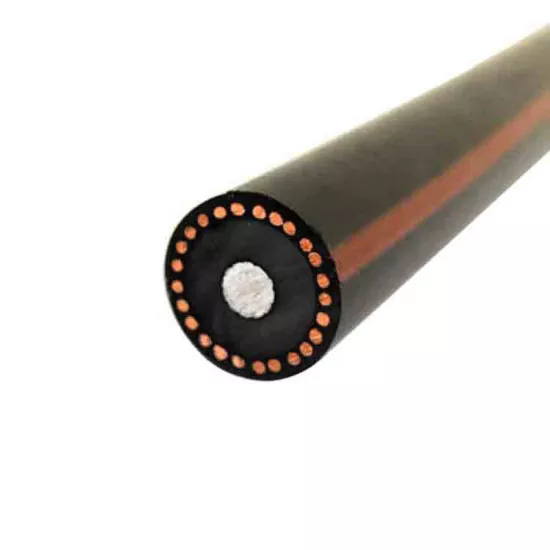
Table of Contents
- Article Outline
- Medium Voltage Cable Overview
- Types and Construction
- Technical Specifications and Parameters
- Installation and Handling Guidelines
- Medium Voltage Cable FAQ
- Conclusion and Contact Information
Article Outline
- Introduction to Medium Voltage Cables and their applications
- Classification and construction features
- Performance parameters and electrical characteristics
- Installation best practices and environmental considerations
- Common operational issues and troubleshooting
- Supplier selection and maintenance guidance
- FAQs and professional recommendations
Medium Voltage Cable Overview
Medium Voltage Cables are designed to transmit electrical power in the voltage range of 1 kV to 35 kV. They serve as the backbone of industrial, commercial, and municipal power distribution systems. The primary function of MV cables is to ensure reliable power flow with minimal losses while maintaining high safety standards.
These cables are crucial in applications ranging from substations to factory distribution networks, ensuring uninterrupted power supply even under fluctuating load conditions. Manufacturers like DAYA provide tailored MV cable solutions to meet varying environmental and regulatory requirements.
Types and Construction
MV Cables are classified based on insulation material, conductor type, and application requirements. Common types include:
- XLPE (Cross-Linked Polyethylene) Insulated Cables: Known for high thermal and mechanical resistance.
- PVC (Polyvinyl Chloride) Insulated Cables: Suitable for moderate temperatures and flexible installation.
- Single-core and Multi-core Cables: Selection depends on load balancing and network design.
- Armored and Unarmored Variants: Armoring provides additional mechanical protection in underground or exposed installations.
The construction of MV cables typically involves a copper or aluminum conductor, semi-conductive screens, insulating layers, metallic or polymeric sheaths, and outer protective jackets. Each layer contributes to electrical performance, mechanical strength, and environmental protection.
Technical Specifications and Parameters
Selecting the correct MV Cable requires understanding its electrical, mechanical, and environmental specifications. Key parameters include:
| Parameter | Typical Range / Description |
|---|---|
| Voltage Rating | 1 kV – 35 kV |
| Conductor Material | Copper or Aluminum |
| Insulation Type | XLPE, PVC |
| Operating Temperature | -15°C to +90°C (Continuous), Up to 250°C (Short-circuit) |
| Minimum Bending Radius | 10–15 times cable diameter |
| Sheath Material | PVC, PE, LSZH (Low Smoke Zero Halogen) |
| Mechanical Protection | Armored / Non-Armored |
| Standards Compliance | IEC 60502, BS 6622, IEEE |
Proper consideration of these parameters ensures minimal energy loss, enhanced safety, and long-term durability.
Installation and Handling Guidelines
Correct installation is critical for performance and safety. Key practices include:
- Performing pre-installation inspection to verify conductor integrity and insulation quality.
- Using proper pulling techniques to avoid mechanical stress beyond recommended bending radii.
- Ensuring proper termination and jointing with certified accessories.
- Maintaining separation from heat sources, water ingress areas, and high electromagnetic interference zones.
- Conducting periodic testing for insulation resistance, continuity, and thermal performance.
Installation must comply with local electrical codes and international standards to prevent operational failures and extend cable lifespan.
Medium Voltage Cable FAQ
Q: What factors determine the choice between copper and aluminum conductors?
A: Copper provides lower resistivity and higher current-carrying capacity but is heavier and costlier. Aluminum is lighter and more economical, suitable for longer runs and overhead applications.
Q: How often should MV Cables be inspected?
A: Visual inspections should be performed annually. Electrical testing including insulation resistance measurement is recommended every 3–5 years, depending on environmental conditions and operational load.
Q: Can MV Cables be used in both indoor and outdoor applications?
A: Yes. Selection of insulation, sheathing, and armor is based on exposure, temperature, UV radiation, and moisture levels to ensure safe operation in both settings.
Conclusion and Contact Information
Medium Voltage Cables are integral to safe and efficient power distribution. Understanding their types, construction, technical parameters, and proper installation ensures reliability and longevity of electrical networks. DAYA provides a comprehensive range of MV Cables designed to meet industrial and commercial requirements with high quality standards.
For detailed product information, customized solutions, or project consultation, please contact us and discuss your power distribution needs with our professional team.
Send Inquiry


X
We use cookies to offer you a better browsing experience, analyze site traffic and personalize content. By using this site, you agree to our use of cookies.
Privacy Policy