English
 Español
  Português
  русский
  Français
  日本語
日本語  Deutsch
  tiếng Việt
  Italiano
  Nederlands
  ภาษาไทย
  Polski
  한국어
한국어  Svenska
  magyar
  Malay
Malay  বাংলা ভাষার
  Dansk
Dansk  Suomi
Suomi  हिन्दी
  Pilipino
  Türkçe
  Gaeilge
  العربية
  Indonesia
  Norsk
Norsk  تمل
تمل  český
český  ελληνικά
  український
  Javanese
  فارسی
فارسی  தமிழ்
தமிழ்  తెలుగు
  नेपाली
  Burmese
  български
  ລາວ
ລາວ  Latine
  Қазақша
  Euskal
  Azərbaycan
  Slovenský jazyk
  Македонски
  Lietuvos
  Eesti Keel
  Română
  Slovenski
  मराठी
मराठी  Srpski језик

Summary: Control cables are critical components in industrial automation and electrical systems. This article explores how control cables function, the types available, installation best practices, and their role in improving operational efficiency. It also provides guidance on selecting the right control cable for specific applications, ensuring reliability, safety, and long-term performance.
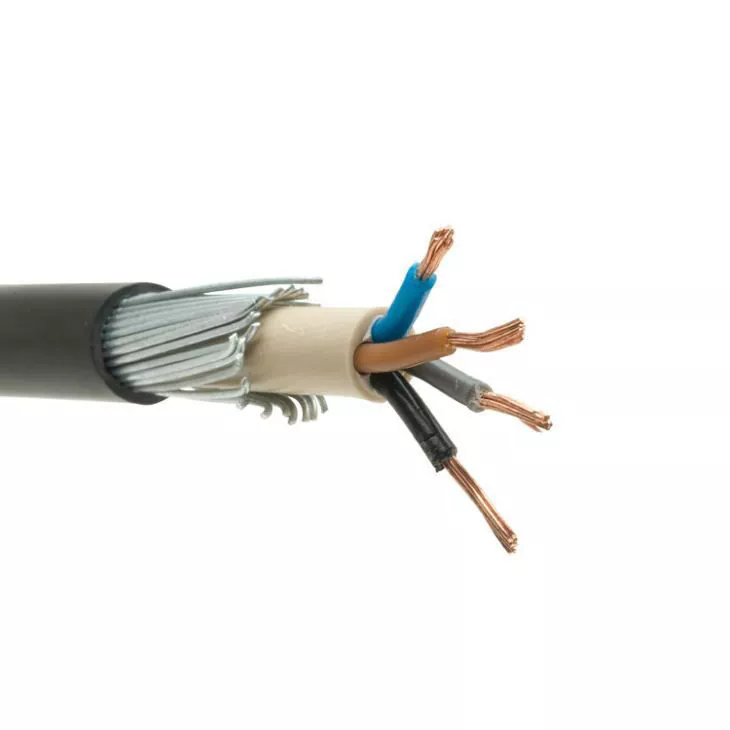
Table of Contents
What Is a Control Cable?
A control cable is a specially designed electrical cable used to transmit signals, power, and data between control systems and machinery. It is engineered to handle high-frequency signals, resist mechanical stress, and ensure safety in demanding industrial environments.
- Transmits control signals reliably.
- Provides resistance to environmental factors such as temperature, moisture, and chemicals.
- Reduces electromagnetic interference, maintaining signal integrity.
Types of Control Cables
Control cables are categorized based on construction, insulation, and application. The most common types include:
| Type | Description | Common Application |
|---|---|---|
| PVC Control Cable | Flexible, durable, and resistant to moisture and chemicals. | Industrial machines, instrumentation panels. |
| XLPE Control Cable | Cross-linked polyethylene insulation for high-temperature and high-voltage environments. | Power distribution, heavy machinery control. |
| Shielded Control Cable | Includes a metallic shield to prevent electromagnetic interference. | Data transmission and sensitive control systems. |
| Armored Control Cable | Provides mechanical protection against impact and rodents. | Outdoor installations, industrial plants. |
Applications and Benefits
Control cables are integral in a wide range of industrial and commercial settings. Their primary applications and benefits include:
- Automation Systems: Ensures accurate signal transmission for automated machinery.
- Power Plants: Delivers reliable control in critical infrastructure.
- Manufacturing Equipment: Reduces downtime and maintenance issues.
- Enhanced Safety: Durable insulation prevents electrical hazards.
- Operational Efficiency: Supports seamless communication between control units.
Installation Guidelines
Proper installation of control cables is crucial for longevity and performance. Key guidelines include:
- Avoid sharp bends to prevent conductor stress.
- Maintain adequate separation from high-power cables to minimize interference.
- Use cable trays, conduits, or armored protection in industrial environments.
- Follow manufacturer recommendations for temperature and load ratings.
- Secure cable ends and joints to prevent wear and tear over time.
Tips for Selecting the Right Control Cable
Choosing the right control cable requires considering several factors:
- Voltage Rating: Ensure the cable meets the system’s voltage requirements.
- Environmental Conditions: Choose insulation resistant to moisture, chemicals, or extreme temperatures.
- Signal Type: Shielded cables are preferred for sensitive signal transmissions.
- Flexibility: For moving machinery, flexible cables reduce wear.
- Compliance: Confirm the cable adheres to industrial standards for safety and performance.
Frequently Asked Questions
A control cable primarily transmits signals and data for control purposes, while a power cable delivers electrical power. Control cables often have additional shielding and flexibility for precise signal transmission.
Yes, certain control cables, such as armored or UV-resistant types, are suitable for outdoor installations. Proper protection against environmental stress is essential to maintain performance.
Selection depends on voltage requirements, environmental conditions, signal sensitivity, and mechanical stresses. Consulting with experienced suppliers like DAYA electrical can ensure the right choice.
Conclusion
Control cables play a pivotal role in modern industrial systems, enhancing efficiency, reliability, and safety. Choosing the correct type and following proper installation practices is essential for long-term performance. Companies like DAYA electrical provide a wide range of control cables tailored to meet specific industrial needs, combining durability with high performance.
For more information on high-quality control cables and expert guidance, contact us today and discover solutions that optimize your industrial operations.