 English
 Español
  Português
  русский
  Français
  日本語
日本語  Deutsch
  tiếng Việt
  Italiano
  Nederlands
  ภาษาไทย
  Polski
  한국어
한국어  Svenska
  magyar
  Malay
Malay  বাংলা ভাষার
  Dansk
Dansk  Suomi
Suomi  हिन्दी
  Pilipino
  Türkçe
  Gaeilge
  العربية
  Indonesia
  Norsk
Norsk  تمل
تمل  český
český  ελληνικά
  український
  Javanese
  فارسی
فارسی  தமிழ்
தமிழ்  తెలుగు
  नेपाली
  Burmese
  български
  ລາວ
ລາວ  Latine
  Қазақша
  Euskal
  Azərbaycan
  Slovenský jazyk
  Македонски
  Lietuvos
  Eesti Keel
  Română
  Slovenski
  मराठी
मराठी  Srpski језик


What Is Bare Conductor Cable and Why Is It Essential for Modern Power Transmission
Article Summary: Bare conductor cable plays a critical role in modern electrical infrastructure, especially in overhead power transmission and distribution systems. This in-depth guide explores what bare conductor cables are, their types, materials, advantages, applications, and how to choose the right one for your project. Backed by industry insights and best practices, this article is designed to help engineers, procurement specialists, and business owners make informed decisions.
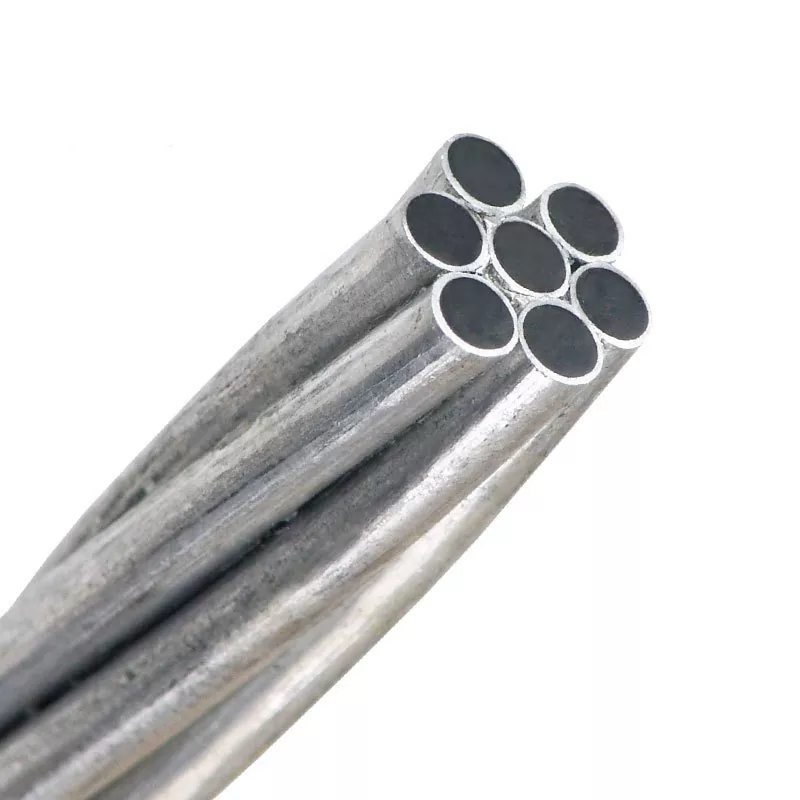
Table of Contents
- 1. What Is Bare Conductor Cable?
- 2. Why Is Bare Conductor Cable Important?
- 3. Types of Bare Conductor Cables
- 4. Materials Used in Bare Conductors
- 5. Key Advantages and Disadvantages
- 6. Applications in Power Systems
- 7. How to Choose the Right Bare Conductor Cable?
- 8. Installation and Maintenance Tips
- 9. Industry Standards and Certifications
- 10. Why Choose DAYA for Bare Conductor Cable?
- FAQ Section
1. What Is Bare Conductor Cable?
Bare conductor cable refers to electrical conductors without any insulation or protective covering. These cables are typically made from highly conductive metals such as aluminum or copper and are primarily used in overhead power transmission and distribution systems.
Unlike insulated cables, bare conductors rely on air spacing and physical supports like poles or towers to prevent electrical faults. Their simplicity and efficiency make them a preferred choice for high-voltage applications.
2. Why Is Bare Conductor Cable Important?
Bare conductor cables are essential because they provide a cost-effective and efficient solution for transmitting electricity over long distances. Their design minimizes energy loss and allows for high current-carrying capacity.
- Lower installation costs compared to insulated cables
- High thermal conductivity
- Reduced weight for easier installation
- Excellent performance in outdoor environments
3. Types of Bare Conductor Cables
3.1 AAC (All Aluminum Conductor)
Used in short-distance transmission with excellent conductivity.
3.2 AAAC (All Aluminum Alloy Conductor)
Offers better mechanical strength and corrosion resistance.
3.3 ACSR (Aluminum Conductor Steel Reinforced)
Combines aluminum conductivity with steel core strength.
3.4 ACAR (Aluminum Conductor Alloy Reinforced)
Balances strength and conductivity for versatile applications.
| Type | Material | Strength | Application |
|---|---|---|---|
| AAC | Aluminum | Low | Short-distance lines |
| AAAC | Aluminum Alloy | Medium | Coastal areas |
| ACSR | Aluminum + Steel | High | Long-distance transmission |
| ACAR | Aluminum + Alloy | Balanced | General use |
4. Materials Used in Bare Conductors
The choice of material significantly impacts the performance and durability of bare conductor cables.
- Aluminum: Lightweight and cost-effective
- Copper: High conductivity but more expensive
- Steel: Provides mechanical strength
- Aluminum Alloys: Improved corrosion resistance
5. Key Advantages and Disadvantages
Advantages
- Cost-effective for large-scale transmission
- High efficiency in power delivery
- Easy installation and maintenance
Disadvantages
- Exposure to environmental conditions
- Requires proper spacing and insulation through air
- Potential safety risks if not installed correctly
6. Applications in Power Systems
Bare conductor cables are widely used in:
- Overhead transmission lines
- Substation connections
- Rural electrification projects
- Railway electrification systems
Their reliability and efficiency make them indispensable in modern electrical grids.
7. How to Choose the Right Bare Conductor Cable?
Selecting the right cable depends on several critical factors:
- Voltage level requirements
- Environmental conditions
- Mechanical strength needs
- Budget constraints
For detailed product specifications, visit bare conductor cable solutions.
8. Installation and Maintenance Tips
- Ensure proper tension during installation
- Maintain safe clearance distances
- Inspect regularly for corrosion or damage
- Use high-quality fittings and accessories
Regular maintenance ensures long-term performance and safety.
9. Industry Standards and Certifications
Bare conductor cables must comply with international standards to ensure safety and performance:
- IEC Standards
- ASTM Specifications
- BS (British Standards)
- DIN Standards
10. Why Choose DAYA for Bare Conductor Cable?
DAYA is a trusted manufacturer offering high-quality bare conductor cables designed for durability, efficiency, and compliance with global standards.
- Advanced manufacturing technology
- Strict quality control systems
- Wide range of product options
- Customized solutions for various industries
Whether for large-scale infrastructure or specialized projects, DAYA delivers reliable solutions tailored to your needs.
FAQ Section
1. What is the main use of bare conductor cable?
It is primarily used for overhead power transmission and distribution.
2. Why are bare conductors not insulated?
They rely on air insulation and spacing, which reduces cost and improves efficiency.
3. Which material is better: aluminum or copper?
Aluminum is more cost-effective and lightweight, while copper offers higher conductivity.
4. How long do bare conductor cables last?
With proper maintenance, they can last several decades.
5. Are bare conductor cables safe?
Yes, when installed correctly with proper clearance and safety measures.
Conclusion
Bare conductor cables are a cornerstone of modern electrical infrastructure, offering unmatched efficiency and cost-effectiveness for power transmission. Understanding their types, materials, and applications can help you make better decisions for your projects.
If you are looking for high-performance and reliable solutions, DAYA is your ideal partner. Contact us today to learn more about our products and how we can support your business with premium bare conductor cable solutions.
Send Inquiry


X
We use cookies to offer you a better browsing experience, analyze site traffic and personalize content. By using this site, you agree to our use of cookies.
Privacy Policy