 English
 Español
  Português
  русский
  Français
  日本語
日本語  Deutsch
  tiếng Việt
  Italiano
  Nederlands
  ภาษาไทย
  Polski
  한국어
한국어  Svenska
  magyar
  Malay
Malay  বাংলা ভাষার
  Dansk
Dansk  Suomi
Suomi  हिन्दी
  Pilipino
  Türkçe
  Gaeilge
  العربية
  Indonesia
  Norsk
Norsk  تمل
تمل  český
český  ελληνικά
  український
  Javanese
  فارسی
فارسی  தமிழ்
தமிழ்  తెలుగు
  नेपाली
  Burmese
  български
  ລາວ
ລາວ  Latine
  Қазақша
  Euskal
  Azərbaycan
  Slovenský jazyk
  Македонски
  Lietuvos
  Eesti Keel
  Română
  Slovenski
  मराठी
मराठी  Srpski језик


What Makes Flat Wire Ribbon Cable the Ideal Choice for Modern Electronics and Industrial Applications
Article Summary: Flat Wire Ribbon Cable has become a critical component in modern electronics due to its space-saving design, flexibility, and high efficiency in signal transmission. This comprehensive guide explores its structure, advantages, applications, and selection criteria. Whether you're an engineer, manufacturer, or buyer, this article will help you understand why DAYA’s Flat Wire Ribbon Cable solutions stand out in today’s competitive market.
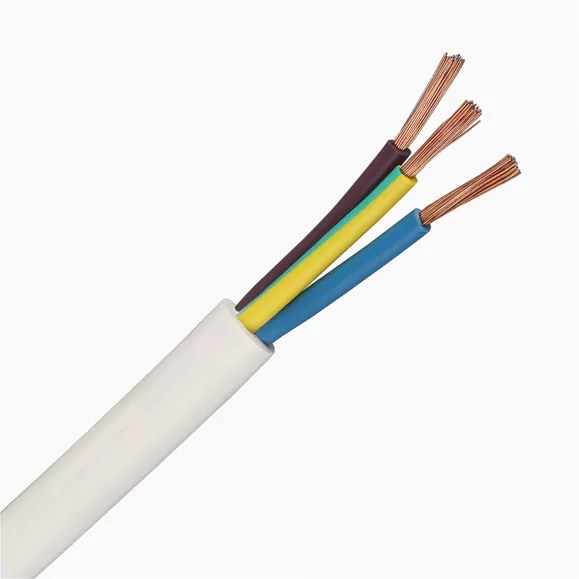
Table of Contents
- 1. What is Flat Wire Ribbon Cable?
- 2. Key Features and Structure
- 3. Advantages Over Traditional Round Cables
- 4. Common Applications
- 5. Technical Specifications Comparison
- 6. How to Choose the Right Flat Ribbon Cable
- 7. Manufacturing Process and Quality Standards
- 8. Why Choose DAYA Flat Wire Ribbon Cable?
- 9. Installation and Maintenance Tips
- 10. FAQ
1. What is Flat Wire Ribbon Cable?
Flat Wire Ribbon Cable is a type of electrical cable composed of multiple conductors arranged in parallel on the same flat plane. Unlike traditional round cables, this design allows for compact, organized wiring, making it ideal for applications where space and efficiency are critical.
These cables are widely used in internal connections of electronic devices, such as computers, printers, and industrial control systems. The uniform spacing between conductors also ensures consistent electrical performance and reduces signal interference.
2. Key Features and Structure
- Flat Geometry: Enables easy routing and saves space
- Parallel Conductors: Ensures consistent impedance
- Flexible Insulation: Enhances durability and bendability
- Color Coding: Simplifies installation and identification
The structure typically includes copper conductors embedded in PVC or similar insulating material. High-quality products, like those from DAYA, ensure uniform thickness and precise spacing.
3. Advantages Over Traditional Round Cables
| Feature | Flat Wire Ribbon Cable | Round Cable |
|---|---|---|
| Space Efficiency | Excellent | Moderate |
| Flexibility | High | Medium |
| Heat Dissipation | Better | Limited |
| Installation | Easy and Organized | More Complex |
Flat cables reduce clutter and improve airflow inside electronic systems, making them particularly beneficial for compact and high-performance devices.
4. Common Applications
Flat Wire Ribbon Cables are widely used across multiple industries:
- Computers and laptops (internal connections)
- Industrial automation systems
- Medical equipment
- Telecommunication devices
- Consumer electronics
Their versatility and reliability make them indispensable in both high-tech and everyday devices.
5. Technical Specifications Comparison
| Specification | Typical Range |
|---|---|
| Conductor Material | Copper / Tinned Copper |
| Pitch | 0.5mm – 2.54mm |
| Voltage Rating | 30V – 300V |
| Temperature Range | -20°C to 105°C |
| Insulation Material | PVC / PE |
6. How to Choose the Right Flat Ribbon Cable
When selecting a Flat Wire Ribbon Cable, consider the following factors:
- Pitch Size: Determines spacing between conductors
- Number of Conductors: Based on signal requirements
- Environmental Conditions: Temperature and humidity resistance
- Flexibility Needs: Static vs dynamic applications
- Compliance Standards: UL, RoHS, etc.
Choosing a trusted manufacturer like DAYA ensures consistent quality and compliance with international standards.
7. Manufacturing Process and Quality Standards
The production of Flat Wire Ribbon Cable involves precision extrusion, conductor alignment, and insulation layering. Advanced machinery ensures:
- Uniform conductor spacing
- Consistent insulation thickness
- High electrical conductivity
Quality testing includes:
- Voltage resistance tests
- Flexibility and bending tests
- Environmental durability checks
8. Why Choose DAYA Flat Wire Ribbon Cable?
DAYA has established itself as a reliable manufacturer in the cable industry by focusing on innovation, quality, and customer satisfaction.
- Advanced manufacturing technology
- Strict quality control processes
- Customizable solutions
- Competitive pricing
- Global supply capability
By integrating cutting-edge design with practical application needs, DAYA delivers cables that meet the demands of modern industries.
9. Installation and Maintenance Tips
- Avoid excessive bending beyond recommended limits
- Ensure proper alignment during installation
- Use compatible connectors
- Regularly inspect for wear and tear
Proper handling can significantly extend the lifespan and performance of the cable.
10. FAQ
Q1: What is the main benefit of flat ribbon cables?
They offer excellent space efficiency and organized wiring, making them ideal for compact systems.
Q2: Are flat ribbon cables durable?
Yes, especially when manufactured with high-quality materials like those used by DAYA.
Q3: Can they be customized?
Absolutely. Parameters like pitch, conductor count, and insulation can be tailored to specific needs.
Q4: Where are they commonly used?
They are widely used in electronics, industrial machinery, and communication systems.
Q5: How do I ensure compatibility?
Check specifications such as pitch, voltage rating, and connector type before purchasing.
Conclusion
Flat Wire Ribbon Cable is an essential solution for modern electronic and industrial systems. Its compact design, flexibility, and efficiency make it superior to traditional wiring methods. By choosing a trusted manufacturer like DAYA, you ensure high performance, durability, and reliability for your applications.
If you are looking for high-quality Flat Wire Ribbon Cable solutions tailored to your needs, don’t hesitate to contact us today and discover how DAYA can power your next project with precision and innovation.
Send Inquiry


X
We use cookies to offer you a better browsing experience, analyze site traffic and personalize content. By using this site, you agree to our use of cookies.
Privacy Policy