 English
 Español
  Português
  русский
  Français
  日本語
日本語  Deutsch
  tiếng Việt
  Italiano
  Nederlands
  ภาษาไทย
  Polski
  한국어
한국어  Svenska
  magyar
  Malay
Malay  বাংলা ভাষার
  Dansk
Dansk  Suomi
Suomi  हिन्दी
  Pilipino
  Türkçe
  Gaeilge
  العربية
  Indonesia
  Norsk
Norsk  تمل
تمل  český
český  ελληνικά
  український
  Javanese
  فارسی
فارسی  தமிழ்
தமிழ்  తెలుగు
  नेपाली
  Burmese
  български
  ລາວ
ລາວ  Latine
  Қазақша
  Euskal
  Azərbaycan
  Slovenský jazyk
  Македонски
  Lietuvos
  Eesti Keel
  Română
  Slovenski
  मराठी
मराठी  Srpski језик


Dry-Type Transformer: What Should You Know Before Choosing One?
1. What Is a Dry‑Type Transformer?
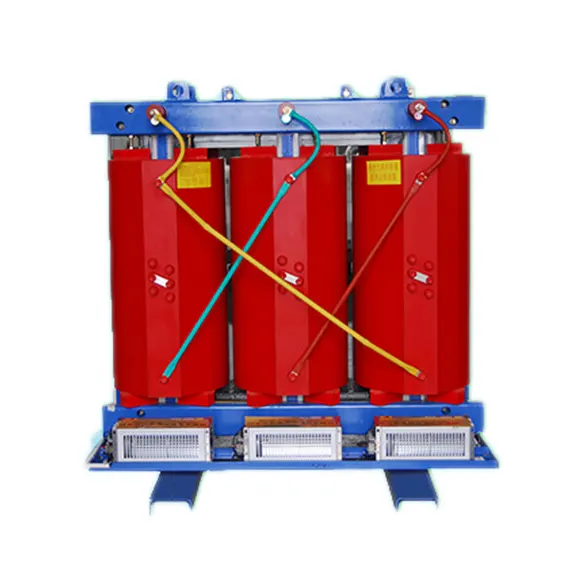
A dry‑type transformer is a static electrical device that transfers energy by electromagnetic induction without using liquid (oil) for insulation or cooling. Instead, its core and windings are encapsulated in solid insulating materials such as epoxy or polyester resin, and heat is dissipated by natural or forced air circulation.
This design completely eliminates the risk of oil leaks and fires, making dry‑type transformers the preferred choice for indoor installations, densely occupied buildings, and environmentally sensitive areas.
2. Key Advantages & Typical Applications
| Advantage | Explanation |
|---|---|
| Fire safety | No flammable liquid – fire risk is drastically reduced. Even in fault conditions, materials are self‑extinguishing. |
| Environmental friendliness | No oil spills, no soil or groundwater contamination. No need for oil containment pits. |
| Low maintenance | No oil testing, filtering, or replacement. Routine work is mainly cleaning and visual inspection. Maintenance cost savings of up to 40% have been reported. |
| Flexible installation | Compact footprint allows installation near load centres (e.g. basements, floors) – reduces cable costs and line losses. |
Common applications:
Hospitals, data centres, high‑rise buildingsIndustrial plants (chemicals, textiles, mining)
Renewable energy systems (onshore wind, solar)
Marine and offshore platforms (with suitable enclosures)
Limitations to keep in mind:
Higher initial cost than oil‑filled transformers
Lower heat dissipation efficiency – generally limited to ratings below ~2,000 kVA in standard designs
Slightly higher audible noise in some cases
3. Two Main Types: VPI vs. Cast Coil
| Type | Process | Characteristics | Best Suited For |
|---|---|---|---|
| VPI (Vacuum Pressure Impregnation) | Windings are impregnated with varnish or resin under vacuum and pressure, then cured. | Cost‑effective, good dielectric strength, versatile design. | Standard industrial and commercial buildings; general‑purpose indoor use. |
| Cast Coil | Windings are fully encapsulated in epoxy resin in a mould, forming a solid block. | Highest protection against moisture, dust, salt spray, and chemicals. Excellent mechanical strength and short‑circuit withstand capability. | Harsh environments: offshore, tunnels, marine vessels, chemical plants, steel mills. |
Selection tip: If your site has high humidity, corrosive gases, or frequent wash‑downs, choose cast coil. For clean, dry indoor environments, VPI provides the best value.
4. Key Selection Parameters
Get these right before you specify a transformer.
| Parameter | What It Means | Practical Advice |
|---|---|---|
| Rated capacity (kVA) | Maximum apparent power the transformer can deliver. | Add 20‑25% margin for future load growth. Common sizes: 100, 250, 500, 1000, 2000 kVA. |
| Voltage ratings | Primary (HV) and secondary (LV) voltages. | Match utility and load requirements (e.g. 10 kV / 0.4 kV). Check tap‑changer range for voltage fluctuations. |
| Insulation class | Defines maximum allowable temperature rise. | Class F (155°C) and Class H (180°C) are most common. Use Class H for high ambient temperatures or frequent overloads. |
| Ingress Protection (IP) | Dust and water resistance. | IP20 – standard indoor. IP23 or higher – outdoor, semi‑outdoor, or areas with dripping water/light spray. |
| Cooling method | AN = self‑cooled (natural air); AF = forced air (fans). | AF increases output capacity significantly. Ensure air intakes/exhausts are never blocked. |
| Impedance voltage (Z%) | Affects short‑circuit current and voltage regulation. | Standard values coordinate with protection devices. Consult your system designer for matching. |
5. Installation & Commissioning Essentials
A good transformer can fail prematurely if installation is sloppy. Follow these critical points.
Location & Clearance
-
Install in a dry, well‑ventilated area – free from corrosive gases, dripping water, and flood risk.
-
Maintain at least 12–18 inches (30–45 cm) clearance around the enclosure for air circulation.
Foundation & Mounting
-
Place on a level, vibration‑resistant base that can support the full weight.
-
Use anti‑vibration pads if floor resonance is possible.
Electrical Connections – Do’s
-
Use flexible copper/alu links to terminals – this prevents mechanical stress from pulling on bushings.
-
Tighten all bolted connections to the torque values specified in the manual. Over‑tightening can damage threads; under‑tightening causes hot spots.
-
Earthing: Solidly connect both the enclosure and the neutral point to the station earth grid.
Pre‑Commissioning Checks
Insulation resistance test: Use a megohmmeter (500 V or 1000 V scale). Minimum acceptable value: 2 MΩ per kV of rated voltage. If lower, dry out the windings before energising.Verify all internal terminations match the nameplate diagram.
Test fan operation and thermostat/thermistor alarms before going live.
6. Daily Operation & Maintenance – The Real Work
Remember: Low maintenance does not mean no maintenance. A little care goes a long way toward a 20‑30 year service life.
Cleaning – The #1 Priority
Dust accumulation is the single biggest enemy of dry‑type transformers. It traps heat, promotes partial discharge, and reduces dielectric strength.
Clean at least once a year – more often in dusty or industrial areas.Use a vacuum cleaner with a non‑metallic nozzle, or dry compressed air at < 25 psi (170 kPa) – never use high pressure, which can damage insulation or force dust deeper.
Visual & Mechanical Inspections (every 6–12 months)
| What to Check | What to Look For |
|---|---|
| Connections | Discoloration, blackening, or melting – signs of overheating. |
| Windings & core | Cracks, tracking marks, or dust bridges on insulation surfaces. |
| Sound level | Any unusual humming or crackling (“sizzling”) may indicate loose laminations or partial discharge. |
| Fans & controls | Fan blades clean and turning freely; temperature displays consistent with load. |
Insulation Monitoring
-
Record insulation resistance values each year (or after major work).
-
Compare with previous readings – a consistent downward trend is a warning signal even if the absolute value is still above the minimum.
7. Common Faults & Practical Remedies
| Symptom | Most Likely Cause | Immediate Action |
|---|---|---|
| Over‑temperature alarm | Dust blockage, fan failure, or overload | Clean windings; check fan motor; reduce load or improve ventilation. |
| Partial discharge noise | Moisture ingress or surface contamination | Dry‑out (warm‑air circulation) and clean thoroughly. |
| Tripping on overcurrent | External fault or internal winding short | Isolate; perform winding resistance and turns‑ratio tests. Consult manufacturer. |
| Unbalanced voltages | Loose connection or tap changer issue | Check all terminals; exercise and verify tap‑changer position. |
8. Quick Reference – Selection Checklist
-
☐ Load calculation + 20‑25% margin
-
☐ Voltage rating matches system
-
☐ Insulation class – F or H, based on ambient
-
☐ Type – VPI (clean indoor) vs Cast Coil (harsh)
-
☐ IP rating – IP20 (indoor) / IP23+ (outdoor/wet)
-
☐ Cooling – natural or fan‑assisted
-
☐ Clearance, ventilation, and floor load verified
-
☐ Earthing and torque values documented
A dry‑type transformer is an investment in safety, reliability, and environmental compliance. Its success in the field depends less on the nameplate and more on three practical choices:
-
Select with realistic margins and environmental protection.
-
Install with care – good connections and good air.
-
Maintain with regular cleaning and trend‑based monitoring.
Do these three things well, and your dry‑type transformer will deliver decades of trouble‑free service.
Send Inquiry


X
We use cookies to offer you a better browsing experience, analyze site traffic and personalize content. By using this site, you agree to our use of cookies.
Privacy Policy