 English
 Español
  Português
  русский
  Français
  日本語
日本語  Deutsch
  tiếng Việt
  Italiano
  Nederlands
  ภาษาไทย
  Polski
  한국어
한국어  Svenska
  magyar
  Malay
Malay  বাংলা ভাষার
  Dansk
Dansk  Suomi
Suomi  हिन्दी
  Pilipino
  Türkçe
  Gaeilge
  العربية
  Indonesia
  Norsk
Norsk  تمل
تمل  český
český  ελληνικά
  український
  Javanese
  فارسی
فارسی  தமிழ்
தமிழ்  తెలుగు
  नेपाली
  Burmese
  български
  ລາວ
ລາວ  Latine
  Қазақша
  Euskal
  Azərbaycan
  Slovenský jazyk
  Македонски
  Lietuvos
  Eesti Keel
  Română
  Slovenski
  मराठी
मराठी  Srpski језик


Why Is Rubber Insulated Welding Cable Essential for Safe and Efficient Welding Operations
In modern industrial applications, choosing the right welding cable is critical for safety, efficiency, and long-term operational performance. Rubber Insulated Welding Cable has become one of the most trusted cable solutions for welding equipment due to its flexibility, durability, heat resistance, and electrical conductivity. Industries such as construction, shipbuilding, mining, automotive manufacturing, and heavy machinery rely heavily on high-quality welding cables to ensure uninterrupted power transmission and operator safety.
As a professional cable manufacturer, DAYA provides premium-quality Rubber Insulated Welding Cable solutions designed to meet demanding industrial environments. This article explores everything you need to know about welding cables, including construction, applications, advantages, maintenance, selection tips, and frequently asked questions.
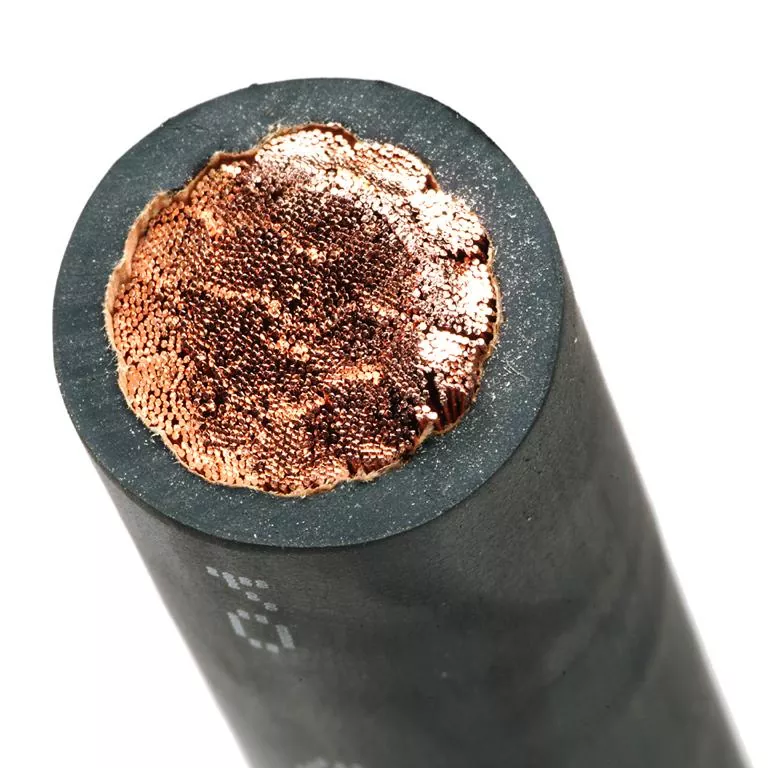
Table of Contents
- What Is Rubber Insulated Welding Cable?
- What Is the Structure of Rubber Insulated Welding Cable?
- What Are the Main Advantages of Rubber Insulated Welding Cable?
- Where Is Rubber Insulated Welding Cable Used?
- Rubber Insulated Welding Cable vs Other Cable Types
- Key Technical Specifications You Should Know
- How to Choose the Right Rubber Insulated Welding Cable?
- Installation and Maintenance Best Practices
- Why Choose DAYA Rubber Insulated Welding Cable?
- Future Trends in Welding Cable Technology
- Frequently Asked Questions
- Conclusion
What Is Rubber Insulated Welding Cable?
Rubber Insulated Welding Cable is a highly flexible electrical cable specifically designed for welding machines and portable power applications. It is engineered to transmit high current efficiently while withstanding harsh industrial conditions such as heat, oil, abrasion, moisture, and mechanical stress.
The cable typically consists of ultra-flexible copper conductors covered with durable rubber insulation. The rubber jacket helps protect the cable against environmental damage while maintaining flexibility for easy movement around welding equipment.
Unlike standard power cables, Rubber Insulated Welding Cable is designed to handle repeated bending, twisting, and dragging without cracking or losing conductivity.
What Is the Structure of Rubber Insulated Welding Cable?
Understanding the structure of a welding cable helps users evaluate performance and durability. High-quality Rubber Insulated Welding Cable from DAYA generally includes the following layers:
| Component | Function |
|---|---|
| Copper Conductor | Provides excellent electrical conductivity and flexibility |
| Rubber Insulation | Protects against heat, abrasion, and electrical leakage |
| Outer Sheath | Offers additional protection from oils, chemicals, and moisture |
| Flexible Stranding | Enhances bending performance and portability |
The use of finely stranded copper conductors allows the cable to remain flexible even in low-temperature environments.
What Are the Main Advantages of Rubber Insulated Welding Cable?
Rubber Insulated Welding Cable offers numerous advantages compared to ordinary industrial cables.
Excellent Flexibility
Welding operations often require cables to move constantly. Rubber insulation and stranded copper conductors ensure easy handling and mobility.
Superior Heat Resistance
Welding environments generate intense heat. Rubber insulation can tolerate elevated temperatures without degrading quickly.
High Electrical Conductivity
Copper conductors provide stable current transmission, reducing energy loss and improving welding efficiency.
Outstanding Durability
Rubber Insulated Welding Cable resists abrasion, oil, moisture, UV exposure, and chemicals, making it suitable for outdoor and industrial applications.
Enhanced Safety
High-quality insulation minimizes the risk of electrical leakage, shock hazards, and short circuits.
Long Service Life
Durable materials help reduce maintenance costs and replacement frequency.
- Flexible for portable welding equipment
- Suitable for indoor and outdoor environments
- Excellent weather resistance
- Strong mechanical protection
- Reliable performance under high current loads
Where Is Rubber Insulated Welding Cable Used?
Rubber Insulated Welding Cable is widely used in industries requiring stable high-current electrical transmission.
| Industry | Application |
|---|---|
| Construction | Portable welding machines and steel fabrication |
| Shipbuilding | Marine welding systems and dockyard operations |
| Mining | Heavy-duty underground welding equipment |
| Automotive | Vehicle assembly and robotic welding systems |
| Manufacturing | Industrial fabrication and machinery repair |
| Oil & Gas | Pipeline construction and maintenance |
Because of its rugged performance, many industries choose DAYA welding cables for demanding operational environments.
Rubber Insulated Welding Cable vs Other Cable Types
| Feature | Rubber Insulated Welding Cable | PVC Cable | Standard Power Cable |
|---|---|---|---|
| Flexibility | Excellent | Moderate | Low |
| Heat Resistance | High | Medium | Medium |
| Abrasion Resistance | Excellent | Average | Average |
| Outdoor Suitability | Excellent | Limited | Moderate |
| Current Capacity | High | Medium | Medium |
This comparison clearly shows why Rubber Insulated Welding Cable remains the preferred choice for professional welding applications.
Key Technical Specifications You Should Know
Before purchasing welding cable, buyers should understand several important technical parameters.
- Voltage rating
- Current carrying capacity
- Conductor material
- Temperature range
- Insulation thickness
- Cable diameter
- Flexibility rating
| Specification | Typical Value |
|---|---|
| Conductor | Fine stranded copper |
| Insulation Material | Rubber |
| Temperature Range | -20°C to +90°C |
| Voltage Rating | 600V |
| Application | Arc welding equipment |
How to Choose the Right Rubber Insulated Welding Cable?
Selecting the proper cable depends on operational requirements and environmental conditions.
Consider Current Requirements
Higher welding currents require larger conductor sizes to prevent overheating.
Evaluate Working Environment
Outdoor and industrial applications require superior weather and abrasion resistance.
Check Cable Flexibility
Portable welding systems benefit from highly flexible cable structures.
Review Industry Standards
Ensure the cable complies with international electrical and safety standards.
Choose a Reliable Manufacturer
Experienced suppliers like DAYA provide consistent quality, technical support, and customized cable solutions.
Installation and Maintenance Best Practices
Proper installation and maintenance significantly extend cable service life.
Installation Tips
- Avoid excessive bending beyond the recommended radius
- Protect cables from sharp edges
- Keep cables away from excessive heat sources
- Use proper cable connectors and clamps
- Inspect insulation before operation
Maintenance Recommendations
- Regularly inspect for cracks or abrasion
- Clean oil and debris from cable surfaces
- Store cables in dry environments
- Replace damaged cables immediately
- Prevent prolonged exposure to chemicals
Why Choose DAYA Rubber Insulated Welding Cable?
DAYA is a trusted manufacturer specializing in high-performance cable products for industrial applications. Their Rubber Insulated Welding Cable products are engineered for durability, safety, and operational efficiency.
Key advantages of DAYA products include:
- High-purity copper conductors
- Advanced rubber insulation technology
- Strict quality control procedures
- Excellent flexibility and durability
- Compliance with international standards
- Custom cable specifications available
Future Trends in Welding Cable Technology
The welding industry continues evolving toward safer, smarter, and more efficient cable solutions.
Future developments may include:
- Eco-friendly insulation materials
- Enhanced fire-resistant properties
- Improved lightweight cable designs
- Smart monitoring technology integration
- Higher energy efficiency performance
Manufacturers like DAYA continue investing in advanced production technologies to meet future industrial demands.
Frequently Asked Questions
1. What is Rubber Insulated Welding Cable used for?
It is primarily used to connect welding machines to electrodes or grounding clamps in industrial welding operations.
2. Why is rubber insulation important?
Rubber insulation provides flexibility, heat resistance, abrasion resistance, and electrical protection in demanding environments.
3. Can Rubber Insulated Welding Cable be used outdoors?
Yes. High-quality welding cables are designed to resist moisture, UV exposure, and harsh weather conditions.
4. How do I choose the correct cable size?
Cable size depends on welding current, cable length, and operational requirements.
5. What conductor material is best for welding cable?
Fine stranded copper conductors are preferred due to excellent conductivity and flexibility.
6. How long does Rubber Insulated Welding Cable last?
With proper installation and maintenance, high-quality welding cables can provide many years of reliable service.
7. Why choose DAYA products?
DAYA offers reliable quality, advanced manufacturing technology, strict quality control, and customized cable solutions for industrial customers worldwide.
Conclusion
Rubber Insulated Welding Cable plays a critical role in ensuring safe, efficient, and reliable welding operations across multiple industries. Its flexibility, durability, and superior electrical performance make it an essential component for professional welding systems.
Whether you work in construction, manufacturing, shipbuilding, mining, or heavy industry, selecting high-quality welding cable can significantly improve operational efficiency and safety. DAYA continues to provide advanced Rubber Insulated Welding Cable solutions tailored to modern industrial requirements.
If you are looking for dependable welding cable products with excellent performance and long service life, contact us today to learn how DAYA can support your business with professional cable solutions and competitive pricing.
Send Inquiry


X
We use cookies to offer you a better browsing experience, analyze site traffic and personalize content. By using this site, you agree to our use of cookies.
Privacy Policy