 English
 Español
  Português
  русский
  Français
  日本語
日本語  Deutsch
  tiếng Việt
  Italiano
  Nederlands
  ภาษาไทย
  Polski
  한국어
한국어  Svenska
  magyar
  Malay
Malay  বাংলা ভাষার
  Dansk
Dansk  Suomi
Suomi  हिन्दी
  Pilipino
  Türkçe
  Gaeilge
  العربية
  Indonesia
  Norsk
Norsk  تمل
تمل  český
český  ελληνικά
  український
  Javanese
  فارسی
فارسی  தமிழ்
தமிழ்  తెలుగు
  नेपाली
  Burmese
  български
  ລາວ
ລາວ  Latine
  Қазақша
  Euskal
  Azərbaycan
  Slovenský jazyk
  Македонски
  Lietuvos
  Eesti Keel
  Română
  Slovenski
  मराठी
मराठी  Srpski језик


Why Should You Choose Rubber Insulated Welding Cable for Safe and Efficient Welding
Rubber Insulated Welding Cable is an essential component for both professional and amateur welders. With superior flexibility, high conductivity, and exceptional insulation, these cables provide safety and performance under demanding welding conditions. This article will explore the types, benefits, specifications, and maintenance tips of rubber insulated welding cables, highlighting why choosing a reliable supplier like DAYA ensures quality and reliability for all welding projects.
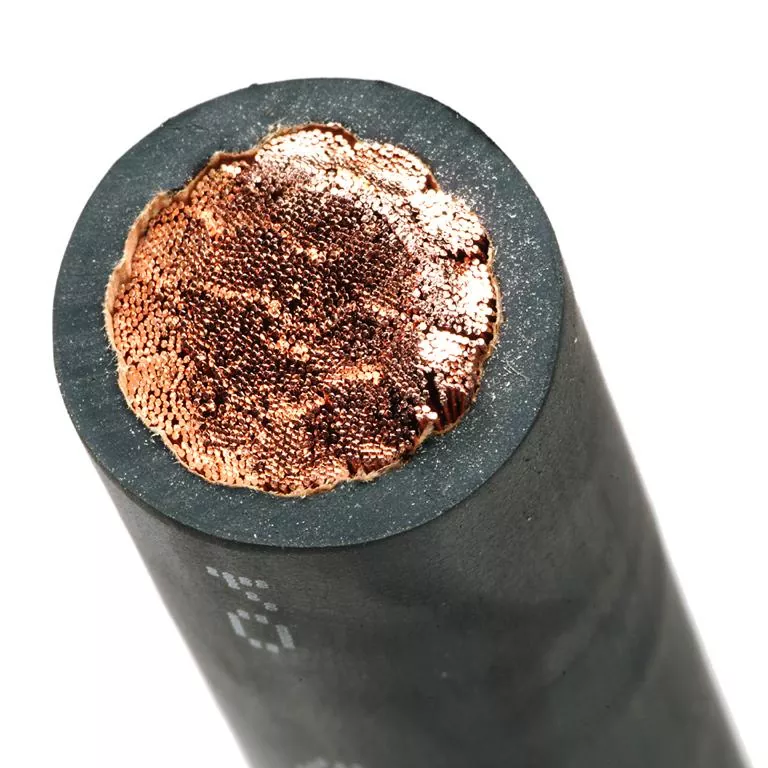
Table of Contents
- Introduction to Rubber Insulated Welding Cable
- Advantages of Rubber Insulated Welding Cable
- Types and Specifications
- Applications in Welding
- Maintenance and Safety Tips
- FAQ about Rubber Insulated Welding Cable
- Conclusion
Introduction to Rubber Insulated Welding Cable
Welding requires not only the right tools but also high-quality accessories to ensure safety and efficiency. Rubber insulated welding cables are specially designed to handle high currents while providing excellent insulation and flexibility. Unlike standard wires, these cables are resistant to abrasion, oil, heat, and mechanical stress, making them suitable for demanding industrial environments.
DAYA offers a wide range of rubber insulated welding cables, manufactured to meet international standards, ensuring both reliability and long-term performance.
Advantages of Rubber Insulated Welding Cable
- Flexibility: Rubber insulation allows cables to bend and twist without breaking, making welding in confined spaces easier.
- High Conductivity: Stranded copper conductors ensure excellent current flow, reducing energy loss.
- Durability: Resistant to abrasion, oil, and chemicals, extending cable life.
- Safety: Superior insulation reduces the risk of electric shocks during welding operations.
- Temperature Resistance: Can withstand high welding temperatures without degrading.
Types and Specifications
Rubber insulated welding cables come in various types depending on conductor material, insulation thickness, and voltage rating. Selecting the right type is crucial for efficiency and safety.
| Type | Conductor | Insulation | Voltage Rating | Application |
|---|---|---|---|---|
| RW90 | Stranded Copper | Rubber | 600V | General Welding |
| RW150 | Stranded Copper | Heavy-Duty Rubber | 1000V | Industrial Welding |
| RW200 | Stranded Copper | Extra Heavy-Duty Rubber | 1000V | Outdoor/High-Temperature Welding |
Applications in Welding
Rubber insulated welding cables are widely used in multiple welding scenarios:
- Manual Arc Welding: Ideal for MMA or stick welding where high current is required.
- MIG/TIG Welding: Flexible cables allow easy movement during continuous welding.
- Construction Sites: Withstand harsh environmental conditions including dust, water, and mechanical stress.
- Automotive and Shipbuilding: Perfect for confined spaces and heavy-duty industrial applications.
Maintenance and Safety Tips
Proper maintenance of rubber insulated welding cables ensures longevity and safety:
- Regularly inspect cables for cuts, abrasions, or exposed conductors.
- Avoid dragging cables over sharp edges or hot surfaces.
- Store cables in a dry, cool area away from direct sunlight.
- Ensure connectors are clean and secure to prevent overheating.
- Replace damaged cables immediately to prevent accidents.
FAQ about Rubber Insulated Welding Cable
Q1: What makes rubber insulated welding cables safer than standard cables?
A: The rubber insulation provides superior protection against electric shock, abrasion, and high temperatures, reducing welding risks.
Q2: Can these cables be used outdoors?
A: Yes, heavy-duty rubber insulated welding cables are designed to withstand outdoor conditions, including moisture, UV exposure, and mechanical wear.
Q3: How do I choose the right cable size for my welding machine?
A: Cable size depends on the welding current and length. Using undersized cables can lead to energy loss and overheating. DAYA provides detailed sizing charts for optimal selection.
Q4: How often should I inspect welding cables?
A: Inspection should be done before each welding session, focusing on insulation integrity, connectors, and overall cable condition.
Q5: Are rubber insulated welding cables flexible in cold temperatures?
A: Yes, rubber insulation retains flexibility even in low temperatures, making it suitable for outdoor winter operations.
Conclusion
Choosing the right rubber insulated welding cable can significantly impact your welding efficiency, safety, and equipment longevity. High-quality cables from reliable suppliers like DAYA ensure superior conductivity, flexibility, and durability, whether for industrial or personal use. Don't compromise on safety or performance; invest in the right welding cables today and contact us for more information on our premium products.
Send Inquiry


X
We use cookies to offer you a better browsing experience, analyze site traffic and personalize content. By using this site, you agree to our use of cookies.
Privacy Policy