 English
 Español
  Português
  русский
  Français
  日本語
日本語  Deutsch
  tiếng Việt
  Italiano
  Nederlands
  ภาษาไทย
  Polski
  한국어
한국어  Svenska
  magyar
  Malay
Malay  বাংলা ভাষার
  Dansk
Dansk  Suomi
Suomi  हिन्दी
  Pilipino
  Türkçe
  Gaeilge
  العربية
  Indonesia
  Norsk
Norsk  تمل
تمل  český
český  ελληνικά
  український
  Javanese
  فارسی
فارسی  தமிழ்
தமிழ்  తెలుగు
  नेपाली
  Burmese
  български
  ລາວ
ລາວ  Latine
  Қазақша
  Euskal
  Azərbaycan
  Slovenský jazyk
  Македонски
  Lietuvos
  Eesti Keel
  Română
  Slovenski
  मराठी
मराठी  Srpski језик


Why Is Waterproof Rubber Welding Cable Essential for Modern Industrial Applications
Article Summary: Waterproof Rubber Welding Cable is a critical component in modern welding, construction, and industrial applications. In this blog, we explore the construction, types, advantages, applications, safety measures, and maintenance of waterproof rubber welding cables, with insights provided by DAYA, a leading manufacturer in the industry.
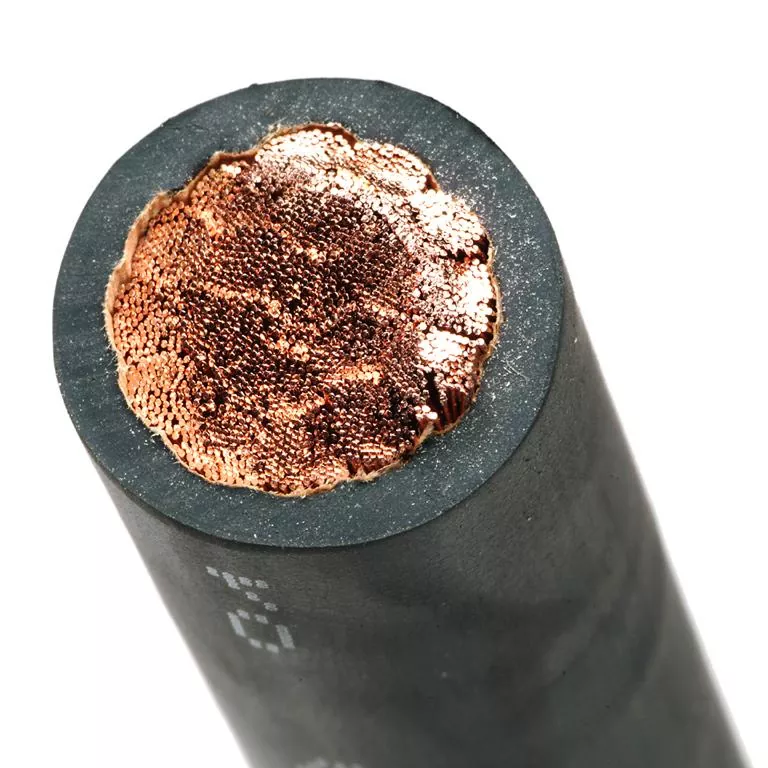
Table of Contents
- Introduction to Waterproof Rubber Welding Cable
- Construction and Material Composition
- Types of Waterproof Rubber Welding Cable
- Advantages of Using Waterproof Rubber Welding Cable
- Applications in Industrial and Construction Sectors
- Safety Considerations and Standards
- Maintenance and Longevity Tips
- Frequently Asked Questions (FAQ)
Introduction to Waterproof Rubber Welding Cable
Waterproof Rubber Welding Cable is specially designed for electrical welding operations where exposure to water, moisture, and harsh conditions is common. The insulation and flexible construction allow it to deliver consistent performance even under extreme conditions. DAYA, a trusted name in electrical cables, emphasizes the importance of using high-quality waterproof cables for both safety and efficiency.
Traditional welding cables may deteriorate quickly in wet or damp environments. Using waterproof rubber welding cable ensures longer operational life and reduces downtime caused by electrical failures.
Construction and Material Composition
The construction of waterproof rubber welding cable typically includes:
- Conductor: High-purity copper or tinned copper for excellent conductivity.
- Insulation: Special waterproof rubber that resists heat, oil, and abrasion.
- Sheath: Durable outer layer providing protection against mechanical damage and environmental hazards.
The table below summarizes typical construction features:
| Component | Material | Function |
|---|---|---|
| Conductor | Copper / Tinned Copper | Electrical conductivity |
| Insulation | Waterproof Rubber | Electrical safety & moisture resistance |
| Sheath | High-density rubber | Mechanical protection & durability |
Types of Waterproof Rubber Welding Cable
DAYA offers several types of waterproof rubber welding cables tailored for different industrial needs:
- Standard Single-core Cable: Flexible, lightweight, ideal for low to medium power welding.
- Multi-core Welding Cable: Provides higher current-carrying capacity for heavy-duty welding machines.
- Extra-flexible Rubber Cable: Perfect for applications requiring frequent movement and bending.
Choosing the right type depends on current capacity, length of operation, and environmental exposure. DAYA ensures all types meet international safety standards.
Advantages of Using Waterproof Rubber Welding Cable
Waterproof rubber welding cables offer multiple benefits:
- Water Resistance: Prevents short circuits and insulation failure in damp or wet environments.
- Durability: Rubber insulation withstands abrasion, UV exposure, and chemical agents.
- Flexibility: Easy to handle and maneuver around tight workspaces.
- High Conductivity: Ensures stable power delivery for precise welding operations.
- Safety Compliance: Meets IEC, UL, and other industrial safety standards.
Applications in Industrial and Construction Sectors
Waterproof rubber welding cables are widely used across various sectors:
- Shipbuilding: Ensures welding operations in wet environments are safe and reliable.
- Construction: Ideal for outdoor welding projects exposed to rain or water runoff.
- Mining: Provides durable power transmission in harsh underground conditions.
- Automotive Manufacturing: Supports mobile welding equipment safely and efficiently.
DAYA’s cables are designed to handle these challenging environments while maintaining consistent performance.
Safety Considerations and Standards
Using waterproof rubber welding cables is not only about performance but also safety. Key considerations include:
- Always inspect cables for damage before use.
- Use cable protectors to avoid cuts and abrasions.
- Follow manufacturer guidelines for current ratings.
- Ensure connectors and terminals are waterproofed.
DAYA ensures that all waterproof rubber welding cables comply with safety standards like IEC 60245 and UL 62, reducing risks associated with electrical hazards.
Maintenance and Longevity Tips
Proper maintenance extends the life of waterproof rubber welding cables. Key tips include:
- Store cables in a dry, shaded area when not in use.
- Clean rubber surfaces with mild soap and water to prevent chemical degradation.
- Avoid sharp bends and excessive stretching during operation.
- Regularly inspect for cracks, cuts, or insulation wear.
Routine checks and correct storage practices by operators significantly improve cable longevity.
Frequently Asked Questions (FAQ)
Q1: Can waterproof rubber welding cables be used underwater?
While these cables resist moisture, continuous submersion is not recommended unless specified by the manufacturer. DAYA provides specific models designed for occasional wet exposure.
Q2: What is the maximum temperature waterproof rubber welding cables can handle?
Typically, high-quality rubber insulation handles up to 90–105°C. For higher temperatures, specialized DAYA cables are available.
Q3: How do I choose the correct cable size?
Cable size depends on current capacity, length of run, and environmental conditions. DAYA provides detailed sizing charts for accurate selection.
Q4: Are these cables flexible enough for mobile welding units?
Yes, specially designed flexible types allow easy movement without compromising safety.
Q5: How often should waterproof rubber welding cables be inspected?
Inspections should be performed before every major welding operation and at least monthly in continuous use settings.
Conclusion: Waterproof Rubber Welding Cable is an indispensable tool for modern industrial operations, offering durability, safety, and performance even in challenging environments. DAYA’s high-quality cables ensure that your welding projects remain efficient, safe, and reliable. For professional advice, custom solutions, or bulk purchases, contact us today to learn more about our waterproof rubber welding cable offerings.
Send Inquiry


X
We use cookies to offer you a better browsing experience, analyze site traffic and personalize content. By using this site, you agree to our use of cookies.
Privacy Policy